
Blog
Erkenntnisse aus der Fertigung
Praktische Einblicke in FDM-3D-Druck, technische Werkstoffe und skalierbare Fertigung.
Sie möchten wissen, was Ihr Bauteil kostet? 3D-Druck Kosten und Preisfaktoren im Überblick
 6 Min. LesezeitGewichtKosten
3D-Druck Gewicht berechnen: Volumen und Material
Das Massivgewicht ist schnell berechnet. Beim gedruckten Teil mit Infill wird es komplizierter, und genau dort entstehen die meisten Fehleinschätzungen.
Weiterlesen 7 Min. LesezeitSTLDFM
STL-Datei vor dem 3D-Druck prüfen: Fehler erkennen
Die meisten Rückfragen zu Druckdaten haben dieselben Ursachen. Mit einer kurzen Prüfung vor dem Versand sparen Sie eine Korrekturschleife.
Weiterlesen 9 Min. LesezeitSerienfertigungIndustrie
FDM-Lieferanten für die Serie qualifizieren: Checkliste für Einkäufer
Ein gutes Teil kann jeder drucken. In der Serie geht es um das zweihundertste.
Weiterlesen 7 Min. LesezeitKonstruktionToleranzen
Konstruktionsdaten richtig übergeben: was eine Fertigung wirklich braucht
Die meisten Verzögerungen in der Auftragsfertigung entstehen nicht in der Maschine, sondern in der Datenübergabe. Vier Angaben verhindern fast alle Rückfragen.
Weiterlesen 8 Min. LesezeitErsatzteileInstandhaltung
Defektes Muster vermessen und nachkonstruieren: Ablauf für Ersatzteile
Wenn die Anlage steht, ist der Stückpreis nicht mehr die interessante Zahl.
Weiterlesen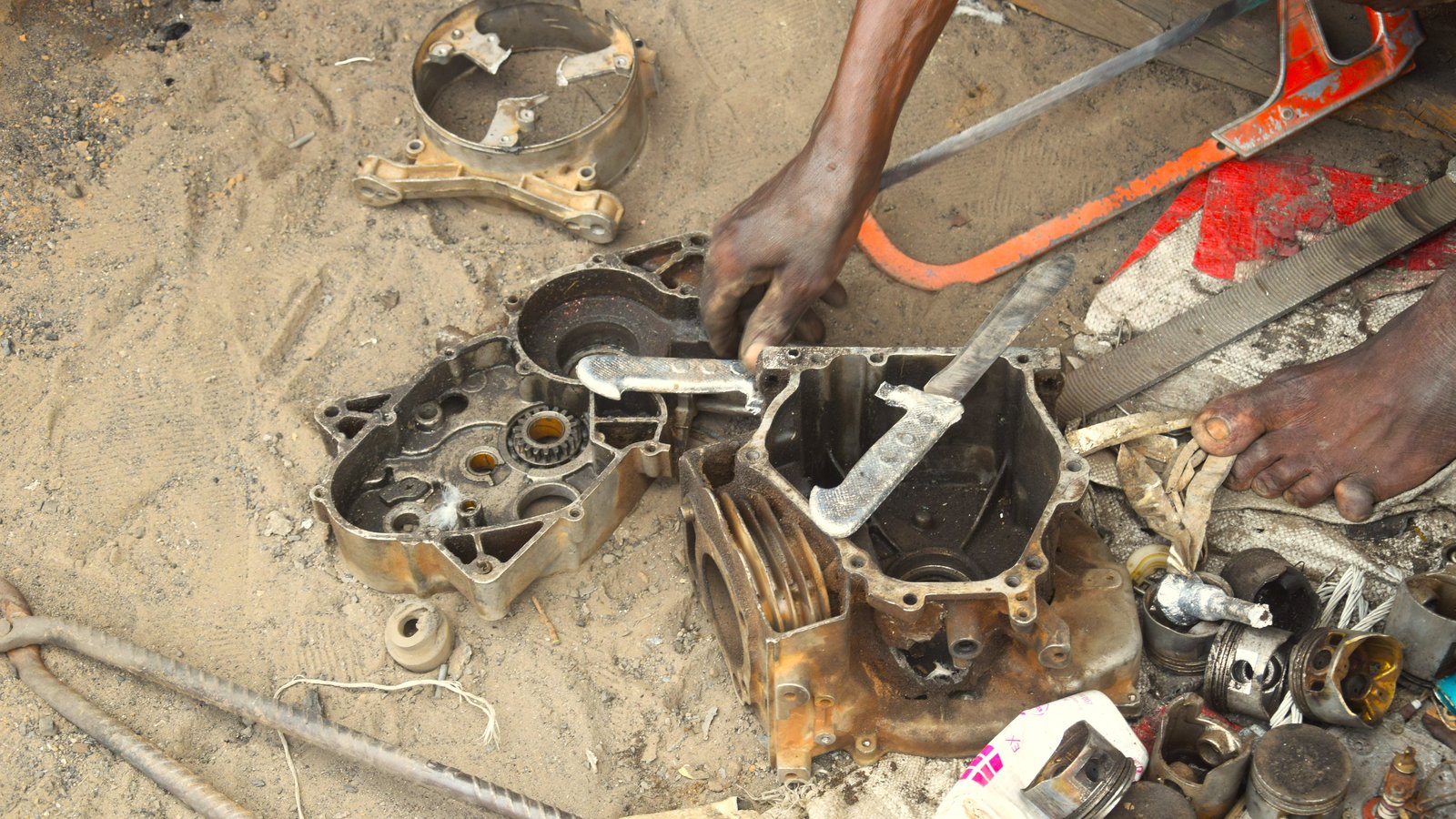 7 Min. LesezeitWerkstoffeKosten
Metall-3D-Druck oder Kunststoff: wann sich der Aufpreis nicht lohnt
Viele Anfragen nach Metall-3D-Druck lassen sich mit PA12-CF oder PC lösen. Der Unterschied liegt bei den Kosten meist im Faktor zehn.
Weiterlesen- 7 Min. LesezeitRapid PrototypingEntwicklung
Rapid Prototyping richtig einsetzen: drei Runden statt zehn
Die meisten Projekte brauchen keine zehn Prototypenrunden. Sie brauchen drei, bei denen jede Runde eine klare Frage beantwortet.
Weiterlesen 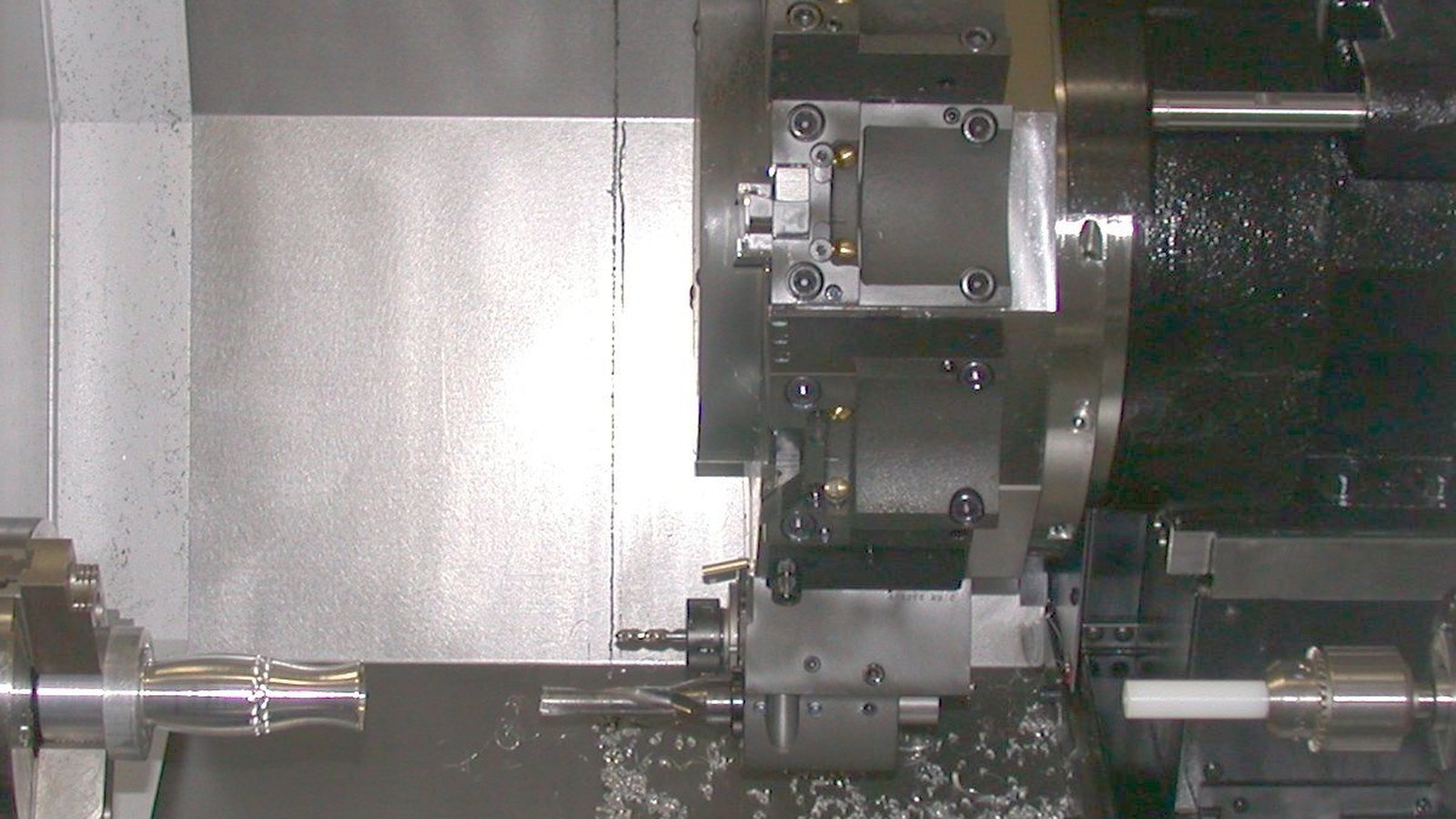 9 Min. LesezeitFDMCNC
3D-Druck oder CNC-Fräsen? Entscheidungshilfe pro Bauteil
Die Entscheidung fällt selten am Verfahren. Sie fällt an Geometrie, Toleranz und Stückzahl.
Weiterlesen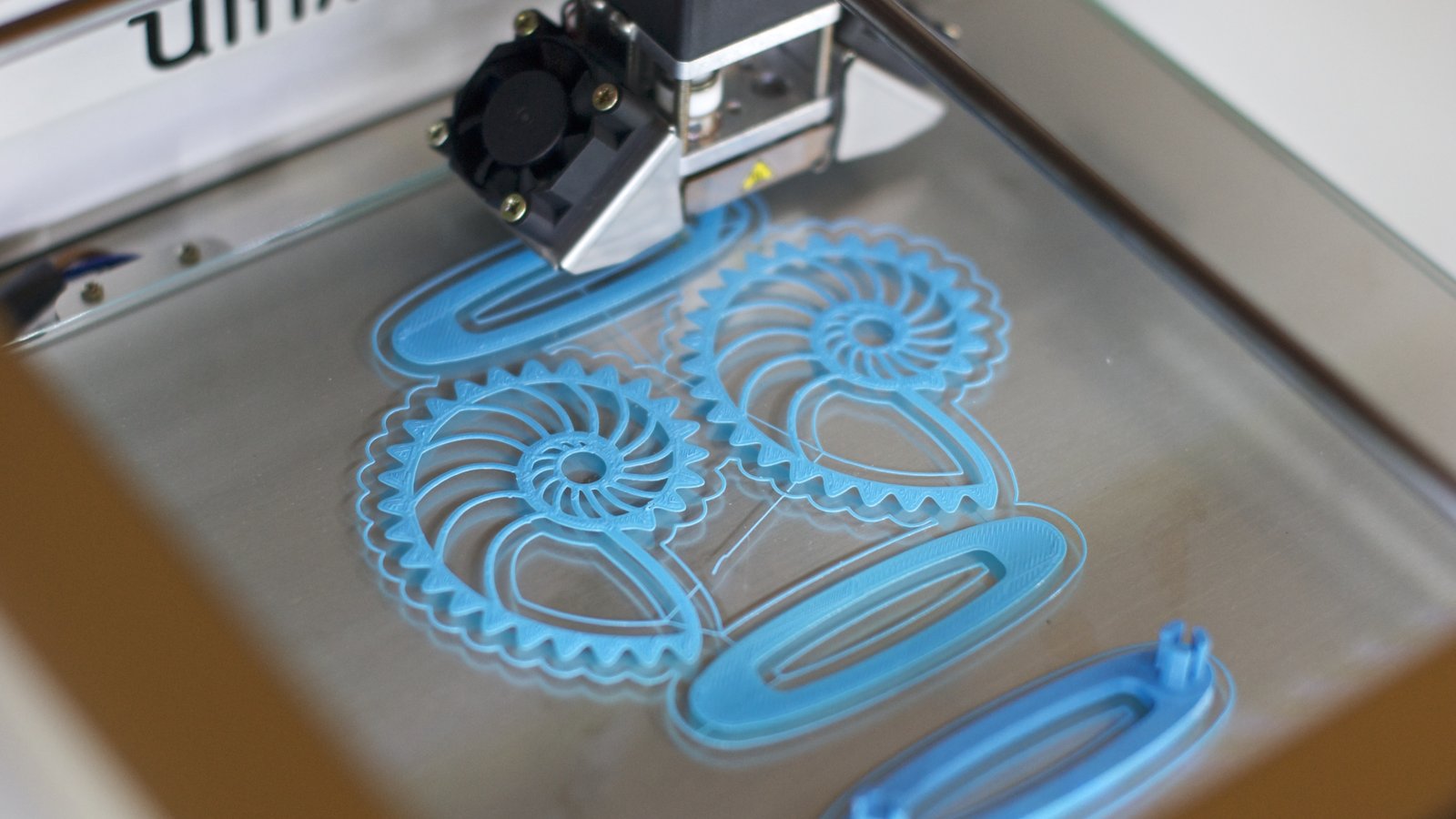 6 Min. LesezeitPCPC FR
Polycarbonat im FDM-Druck: Wann sich der schwierige Werkstoff lohnt
Polycarbonat gilt als schwierig zu drucken und trotzdem fragen immer mehr Industriekunden danach. Zu Recht, denn wo Temperatur und Schlagfestigkeit zählen, kommt an PC kaum ein Filament heran.
Weiterlesen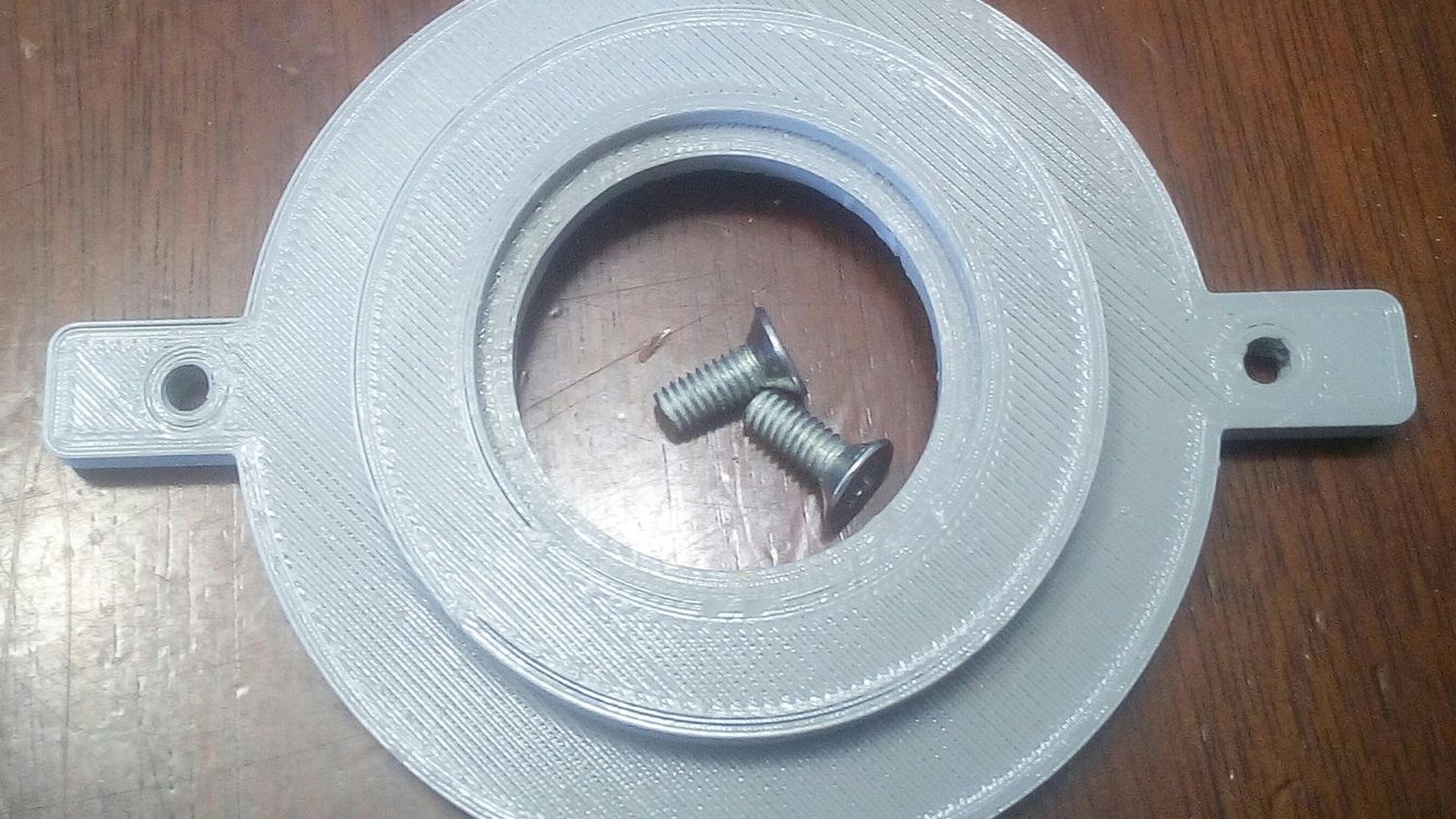 8 Min. LesezeitVorrichtungenProduktion
Welche Vorrichtungen sich als Druckteil lohnen: Ratgeber für die Fertigung
Betriebsmittel sind fast immer Einzelstücke. Genau dort schlägt der Druck die Zerspanung.
Weiterlesen- 6 Min. LesezeitInfillFestigkeit
Infill und Festigkeit: Warum 100 Prozent selten die richtige Antwort sind
Die erste Idee bei einem brüchigen Teil ist mehr Infill. Messungen und Praxis zeigen etwas anderes: die Wände tragen, die Füllung stützt. Was das für Ihre Teile bedeutet.
Weiterlesen 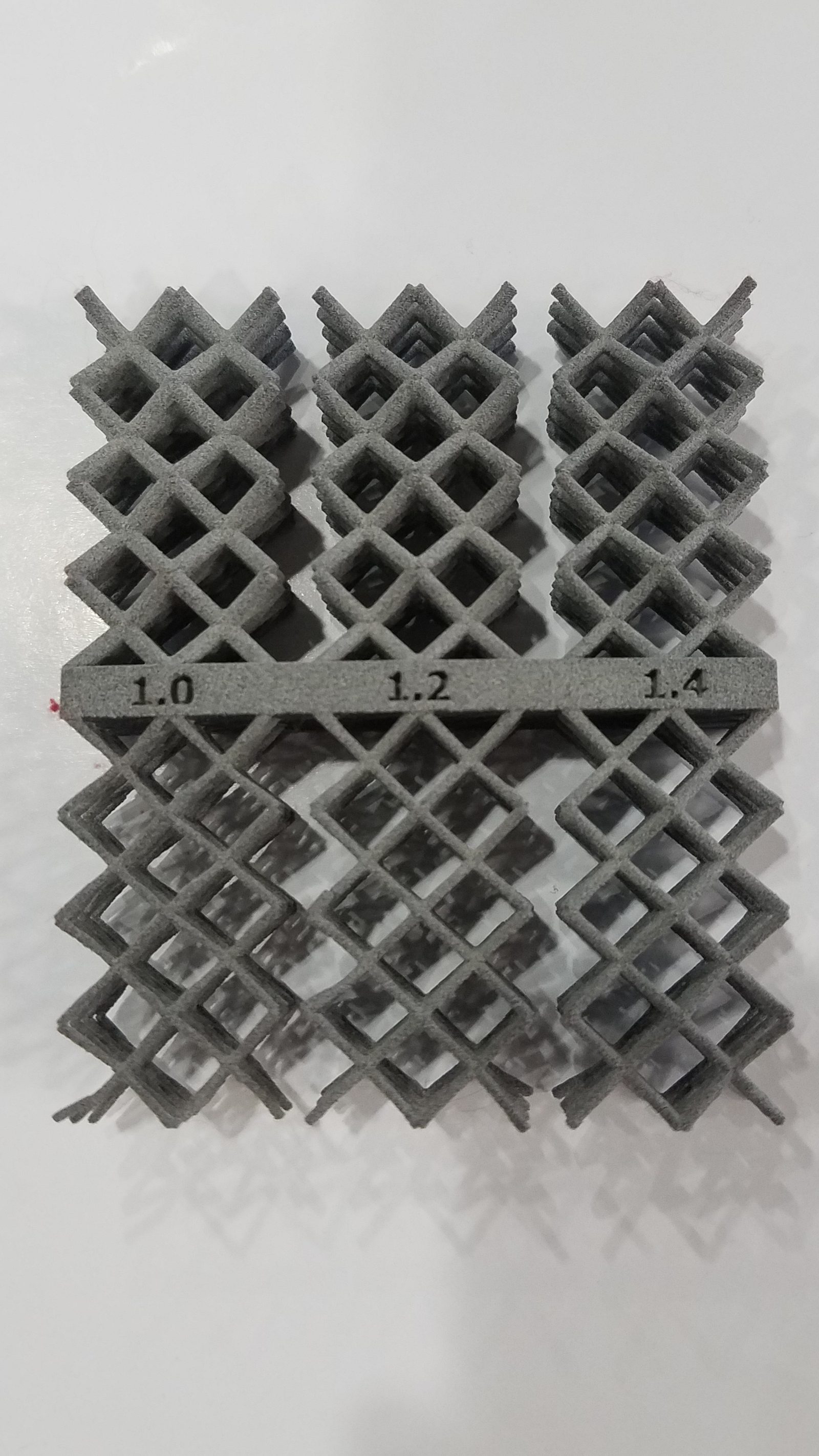 9 Min. LesezeitTolerancesFDM
FDM-Toleranzen: Welche Genauigkeit im 3D-Druck realistisch ist
Die meisten Passungsprobleme im FDM sind keine Maschinenprobleme, sondern Angabeprobleme.
Weiterlesen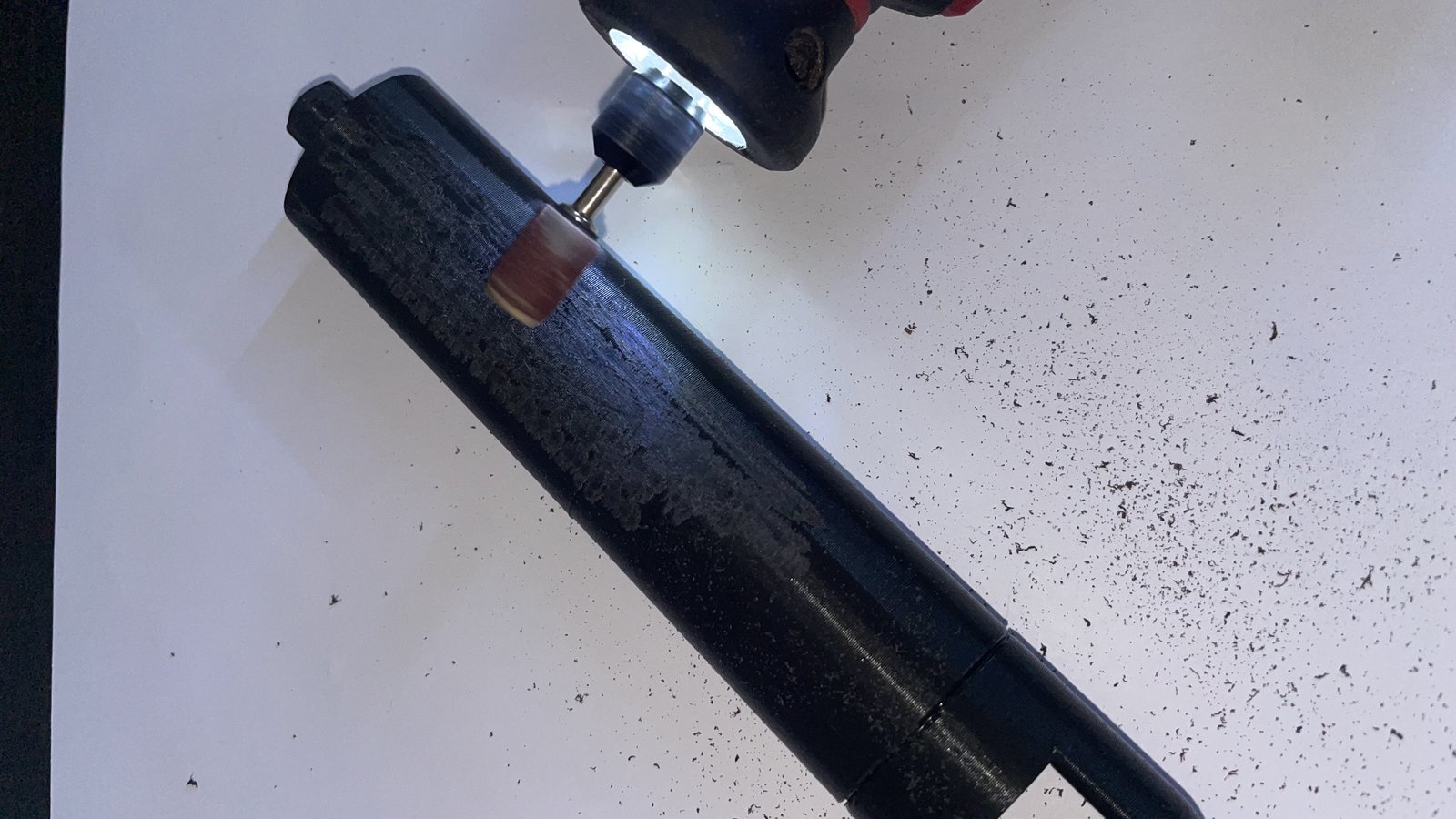 6 Min. LesezeitNachbearbeitungOberfläche
Nachbearbeitung von FDM-Bauteilen: Vom Druckteil zum Sichtteil
FDM-Teile kommen mit sichtbaren Schichten aus der Maschine. Für viele Funktionsteile ist das egal, für Sichtteile nicht. Was mit Schleifen, Füllern und Lack möglich ist und wo die Grenzen liegen.
Weiterlesen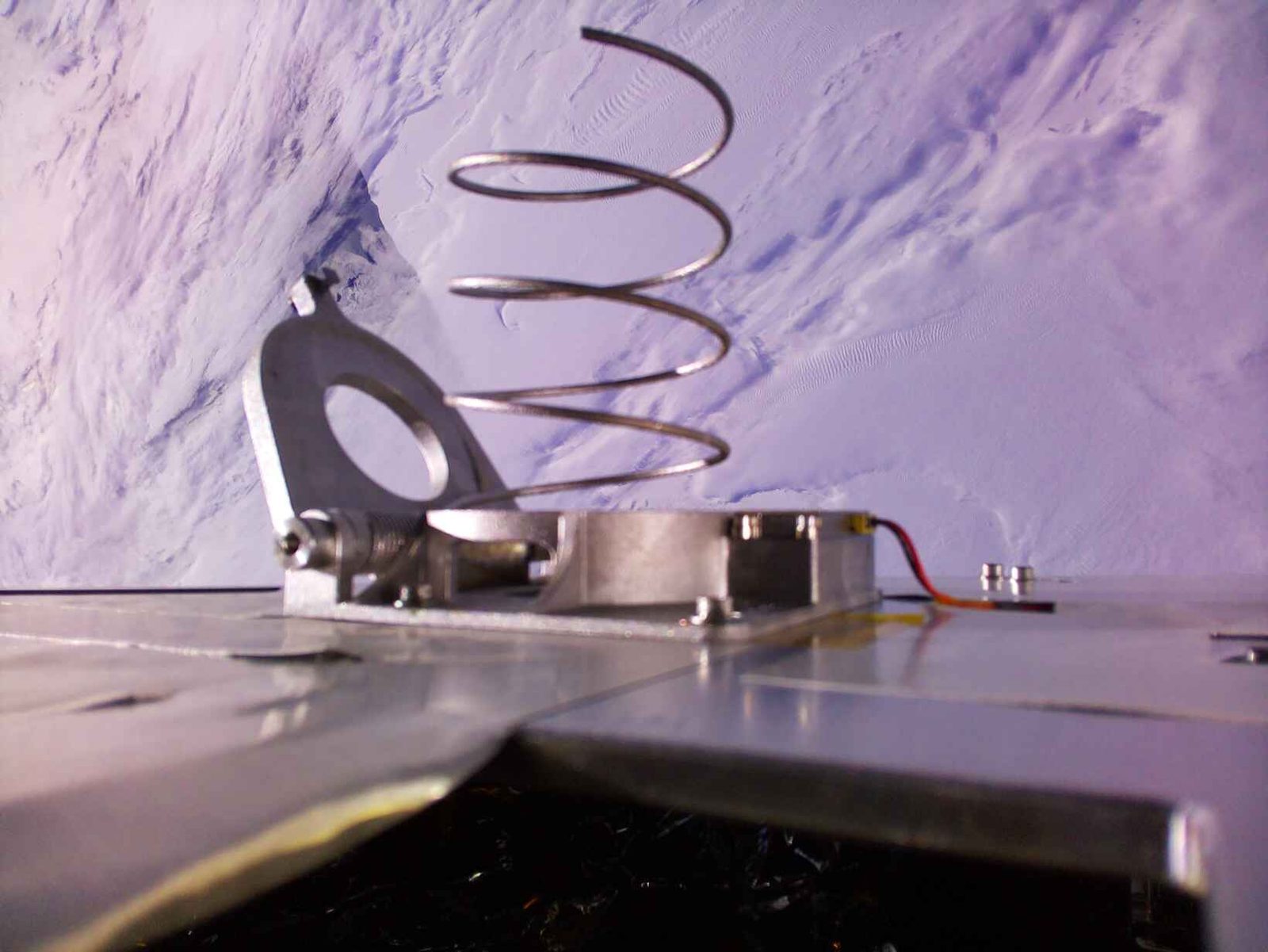 8 Min. LesezeitTPUMaterials
TPU im 3D-Druck: Shore-Härte, Parameter und echte Anwendungen
TPU ist der einzige FDM-Werkstoff, der sich wie Gummi verhält. Und der Werkstoff, bei dem am meisten schiefgeht.
Weiterlesen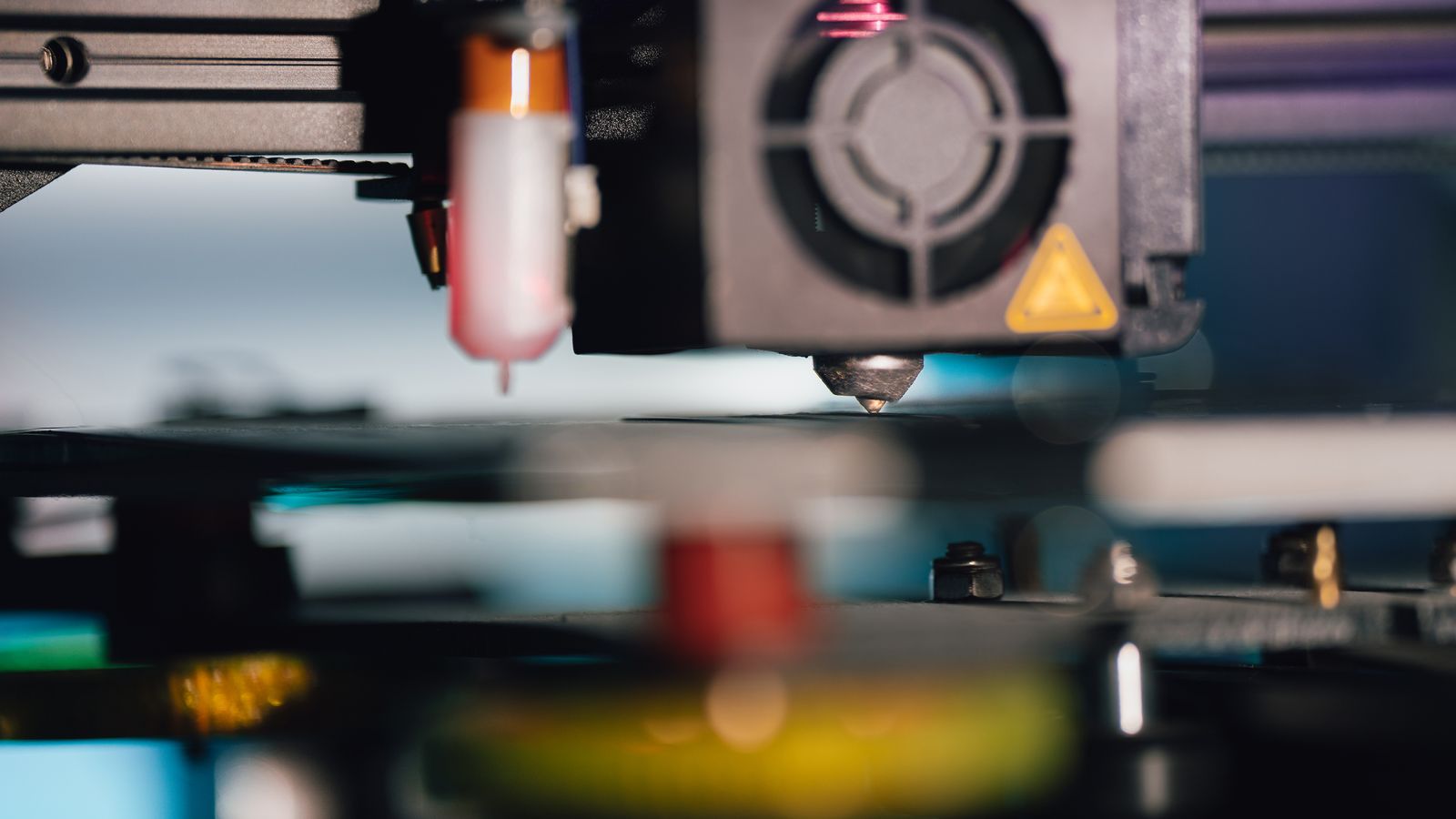 7 Min. LesezeitProductionKleinserie
Was ist eine Kleinserie? Ratgeber zu Prozess und Stückkosten
Ein guter Druck sagt nichts über den zweihundertsten. Was eine Serie wiederholbar macht.
Weiterlesen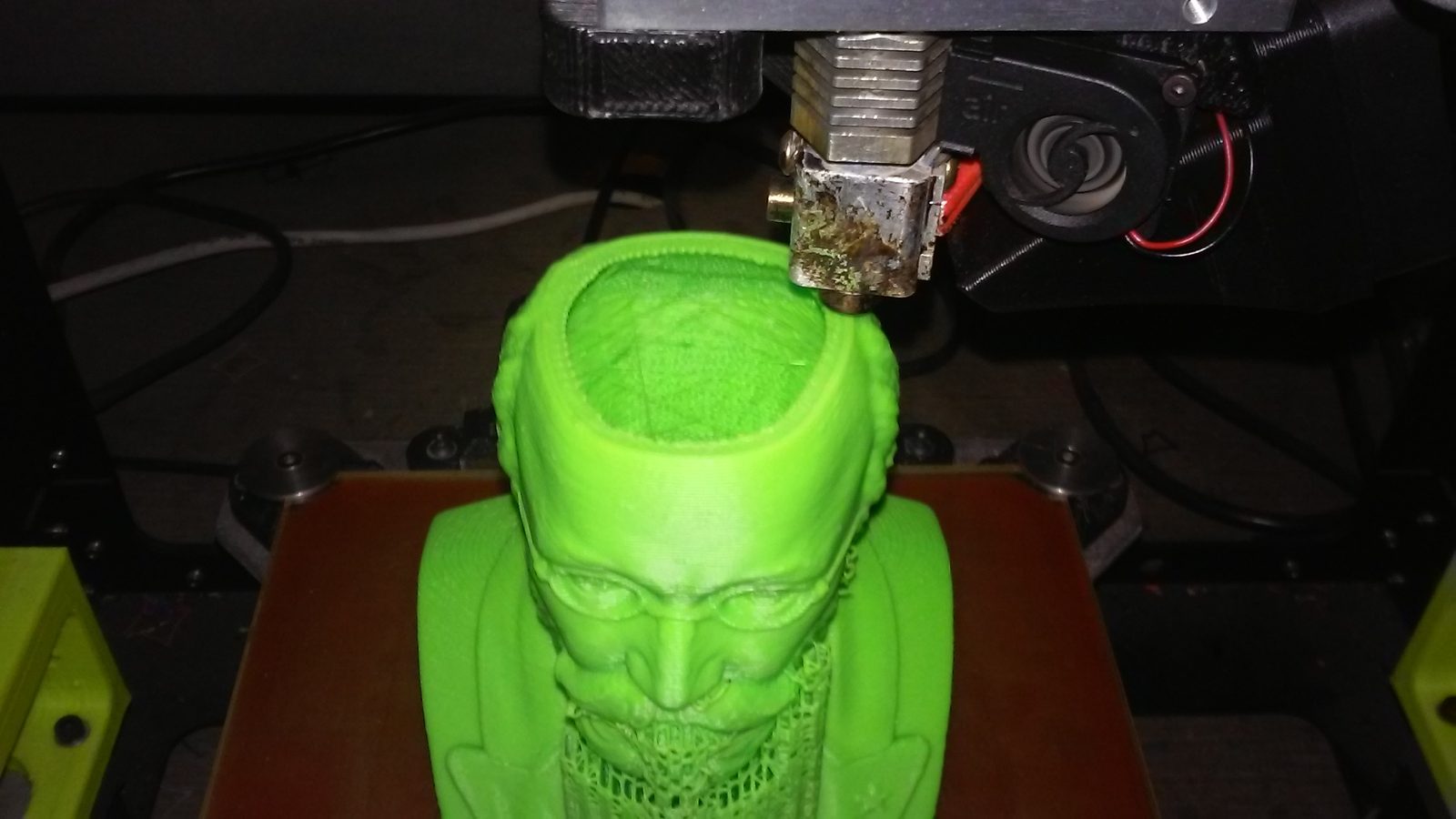 6 Min. LesezeitMaterialsASA
ASA oder ABS? Was die beiden wirklich unterscheidet
Gleiche Temperaturklasse, unterschiedliche Lebensdauer im Freien. Wann sich der Preisunterschied lohnt.
Weiterlesen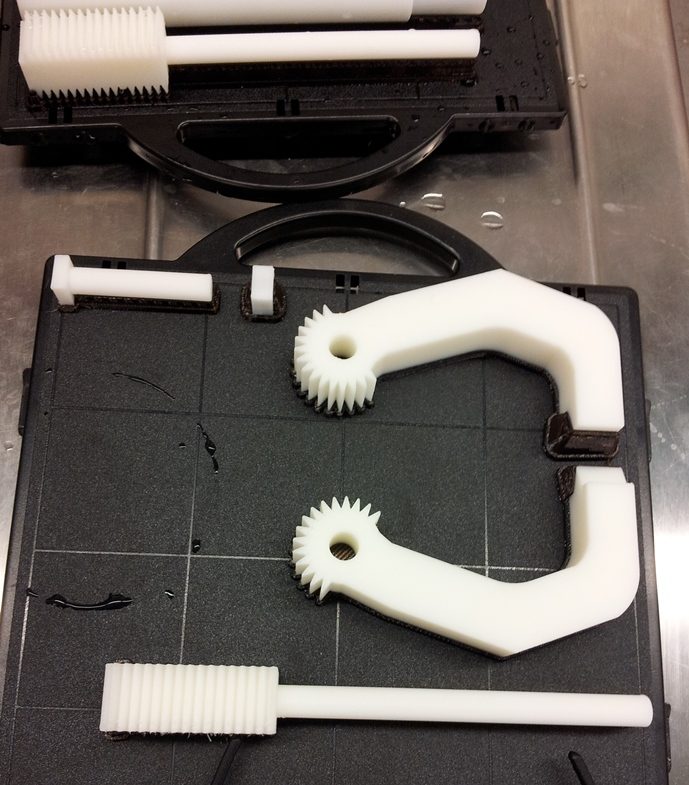 8 Min. LesezeitMaterialsFDM
Welches Filament für was? Eine praxistaugliche Übersicht
Filament nicht nach Preis oder Farbe wählen, sondern danach, was das Bauteil aushalten muss.
Weiterlesen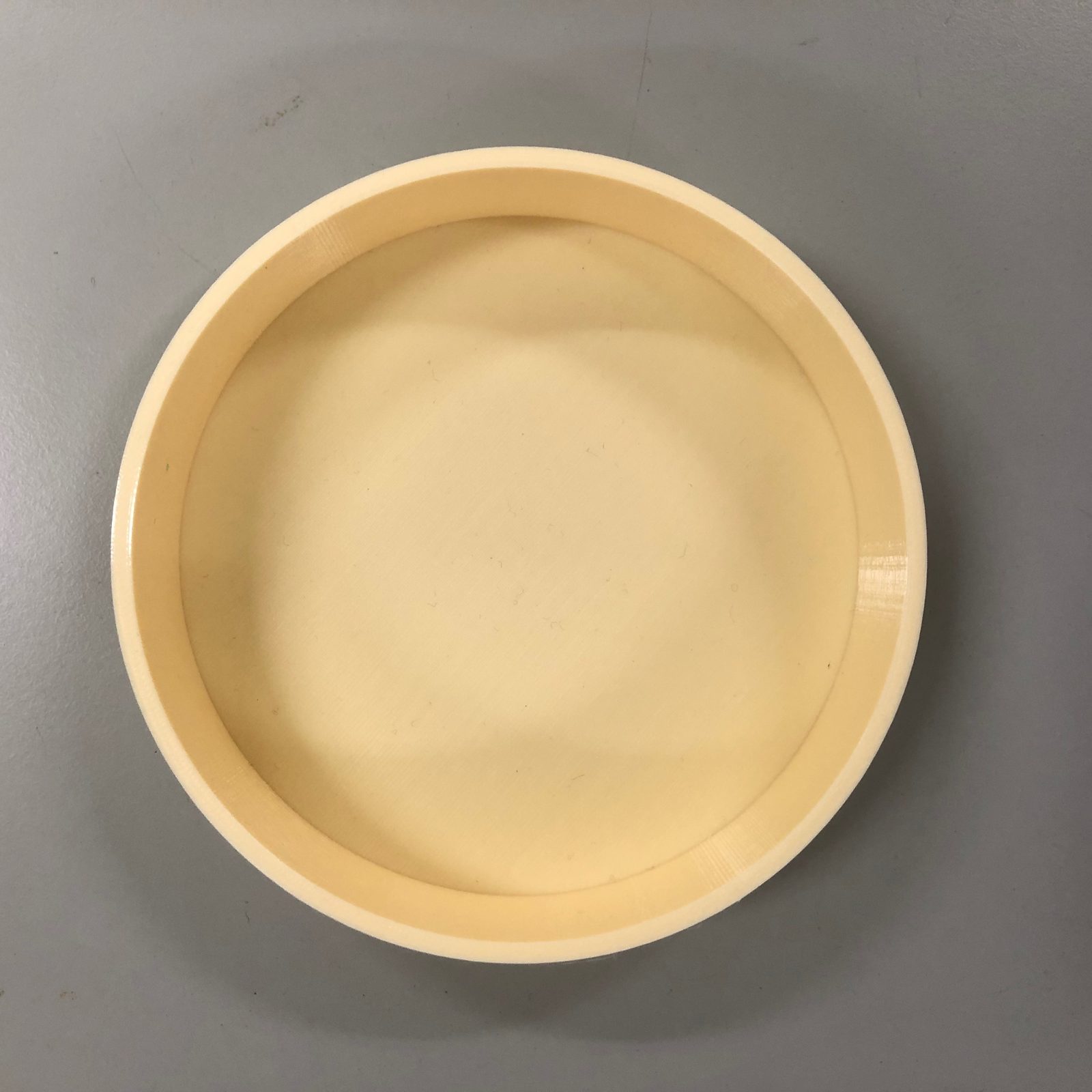 6 Min. LesezeitMaterialsPETG
Ist PETG lebensmittelecht? Was bei 3D-Druck-Teilen zählt
Der Werkstoff ist zugelassen. Das gedruckte Bauteil ist eine andere Frage. Wo die tatsächlichen Risiken liegen.
Weiterlesen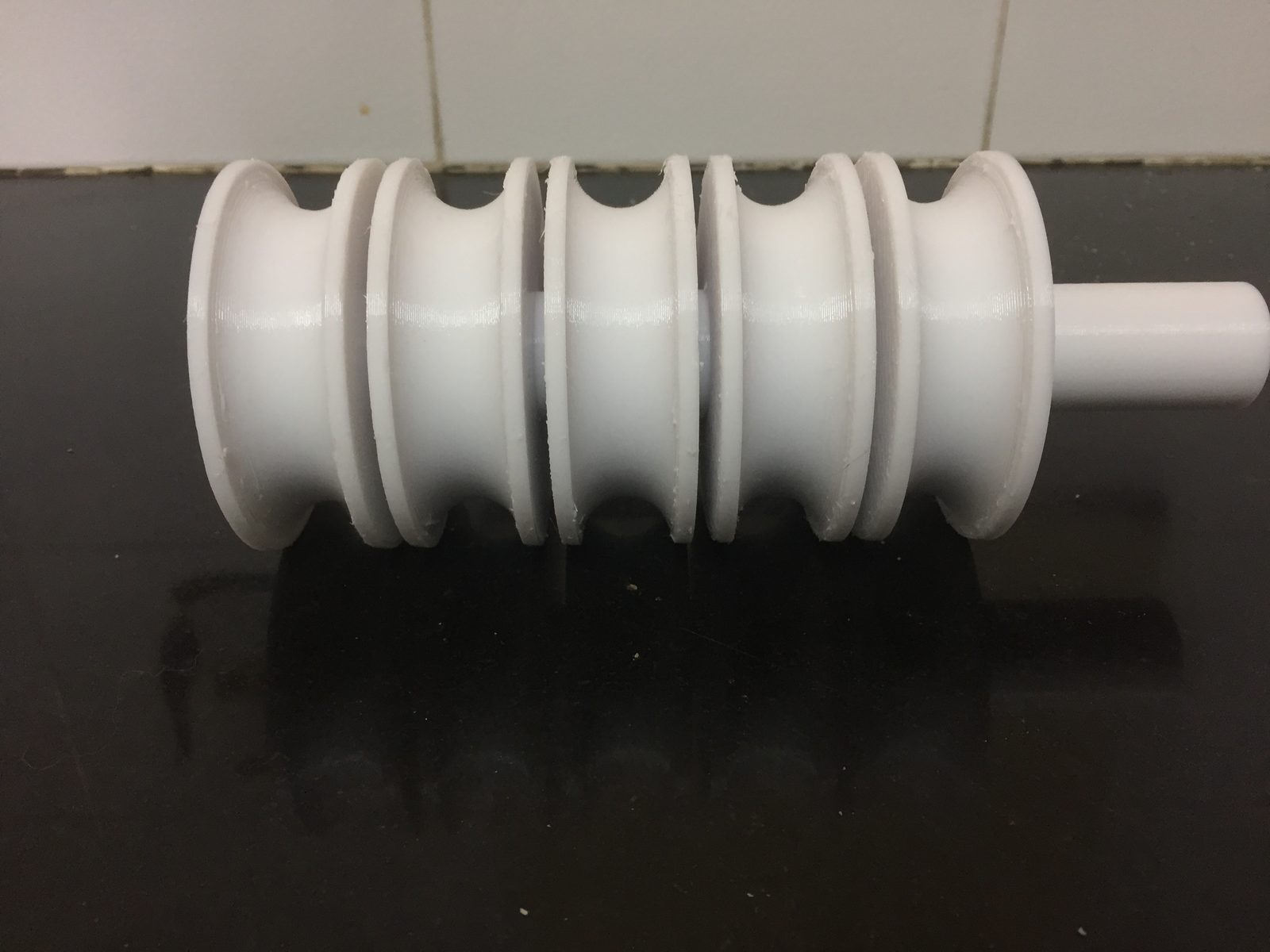 6 Min. LesezeitMaterialsPETG
PETG-Temperaturbeständigkeit: Wie warm darf es werden?
Rund 70 Grad ohne Last, unter Last deutlich weniger. Die praktischen Temperaturgrenzen von PETG-Bauteilen.
Weiterlesen 6 Min. LesezeitPC FRUL94
UL94 V-0, V-1, V-2 und HB: Flammschutz im 3D-Druck erklärt
Wer ein Gehäuse für Elektronik drucken lässt, wird früher oder später nach UL94 gefragt. Was die Klassen bedeuten, wann V-0 wirklich nötig ist und welche Filamente die Anforderung erfüllen.
Weiterlesen 7 Min. LesezeitMaterialsPETG
PETG oder PLA: Welcher Werkstoff passt zu Ihrem Bauteil?
PLA ist steifer, PETG hält mehr aus. Der ehrliche Vergleich für funktionale Bauteile, nicht für Deko.
Weiterlesen 6 Min. LesezeitMaterialsPA12-CF
PA12 Carbon Fiber 3D-Druck: Wann lohnt sich der Werkstoff?
Steifigkeit auf Aluminiumniveau bei einem Bruchteil des Gewichts. Wann sich PA12-CF lohnt, und wann nicht.
Weiterlesen 5 Min. LesezeitCostFDM
Kostentreiber im FDM-Druck: Bauteile günstiger konstruieren
Maschinenzeit, nicht Materialgewicht, bestimmt den Preis. Was die Kosten treibt und wie Sie Bauteile kostengünstiger konstruieren.
Weiterlesen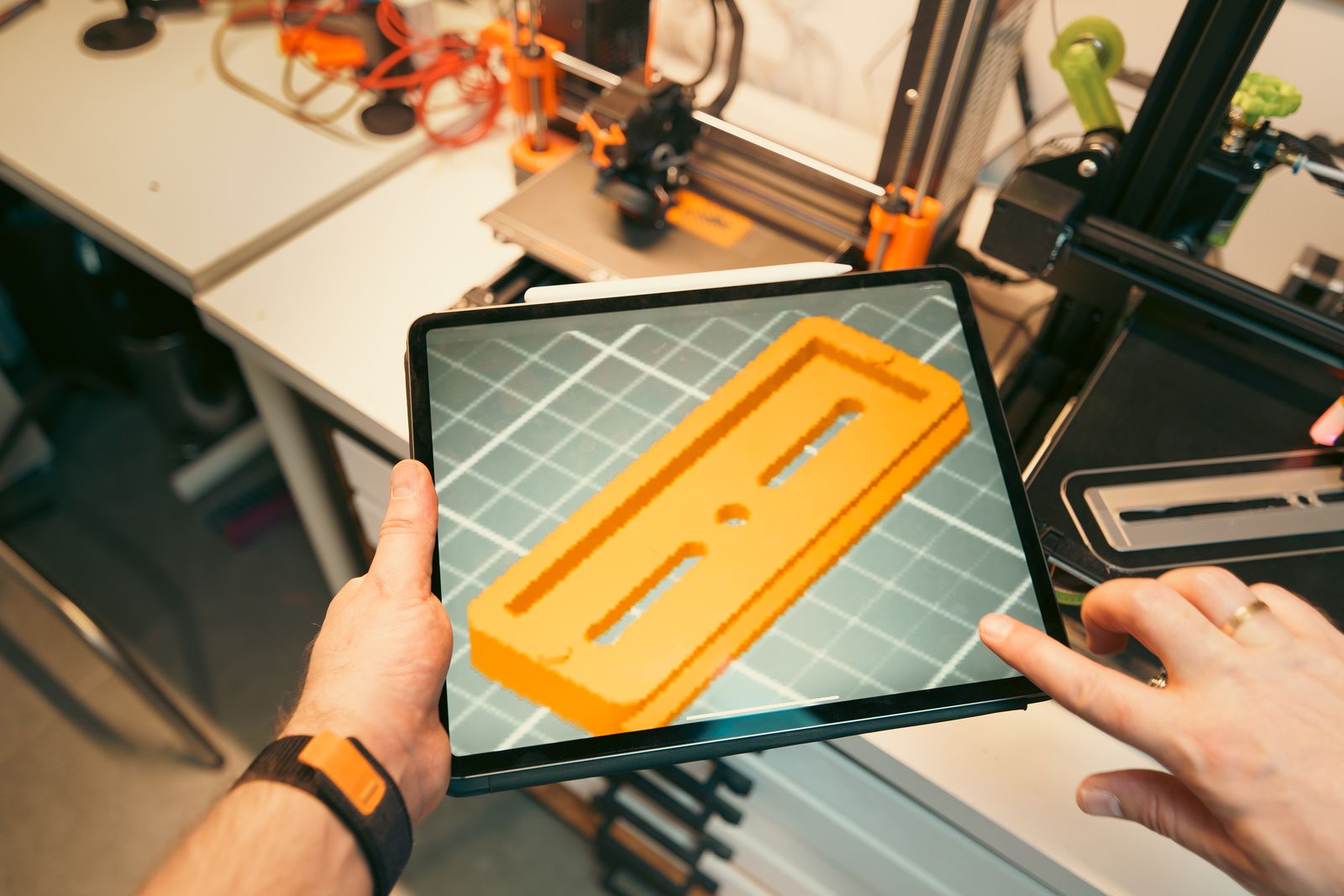 8 Min. LesezeitProcurementProduction
3D-Druck-Dienstleister in Deutschland: Worauf Sie bei der Auswahl achten sollten
Die meisten schlechten 3D-Druck-Aufträge sind keine schlechten Drucke, sondern eine falsche Lieferantenwahl. Hier erfahren Sie, was Sie prüfen sollten, bevor Sie eine Datei verschicken, aus der Sicht von jemandem, der diese Dateien jede Woche erhält.
Weiterlesen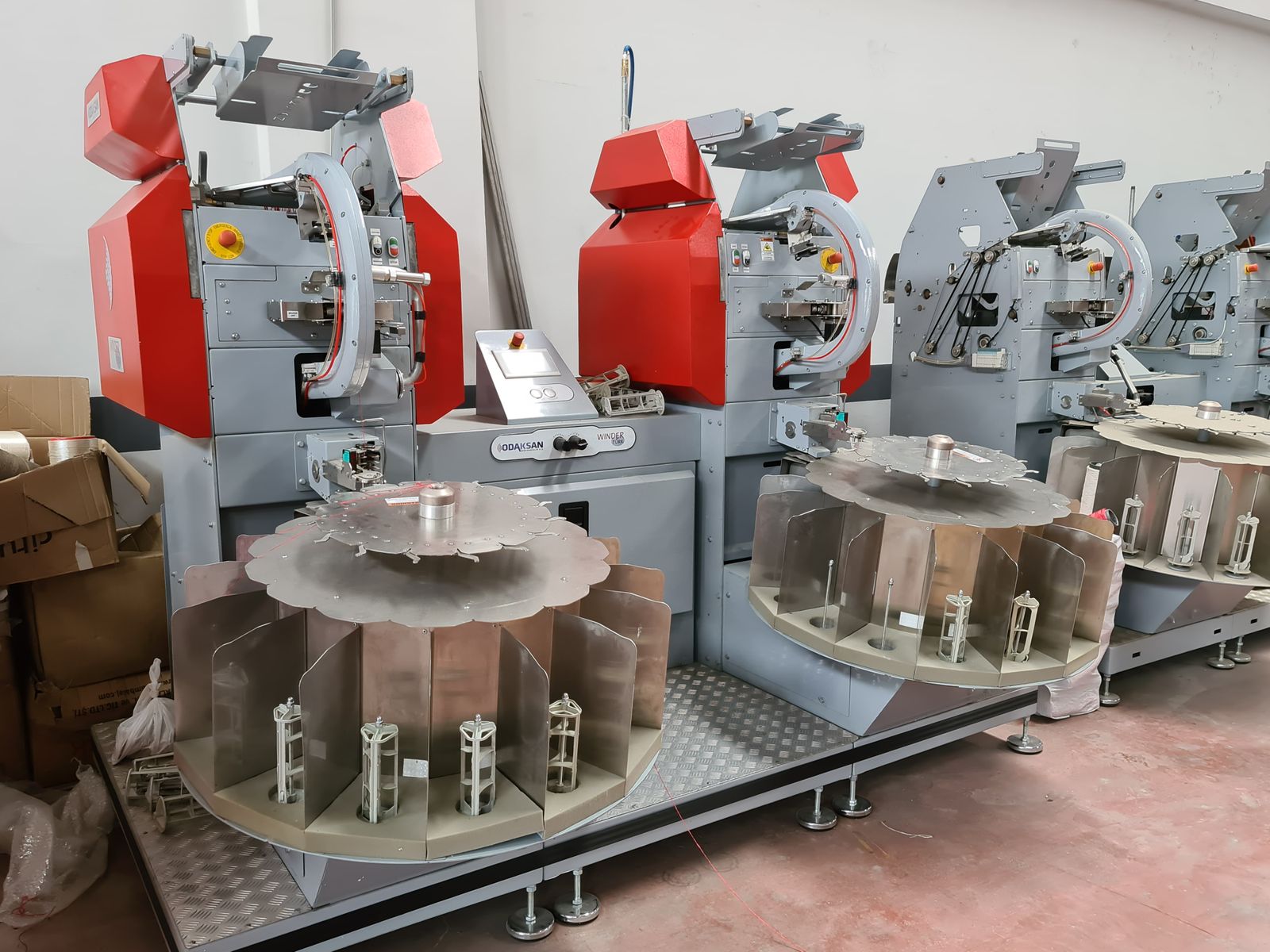 8 Min. LesezeitFDMInjection Molding
3D-Druck vs. Spritzguss: Welches Verfahren sollten Sie wählen?
Spritzguss gewinnt bei großen Stückzahlen. 3D-Druck gewinnt überall sonst. Ein praktischer Vergleich der beiden Verfahren und eine Entscheidungshilfe für die richtige Wahl.
Weiterlesen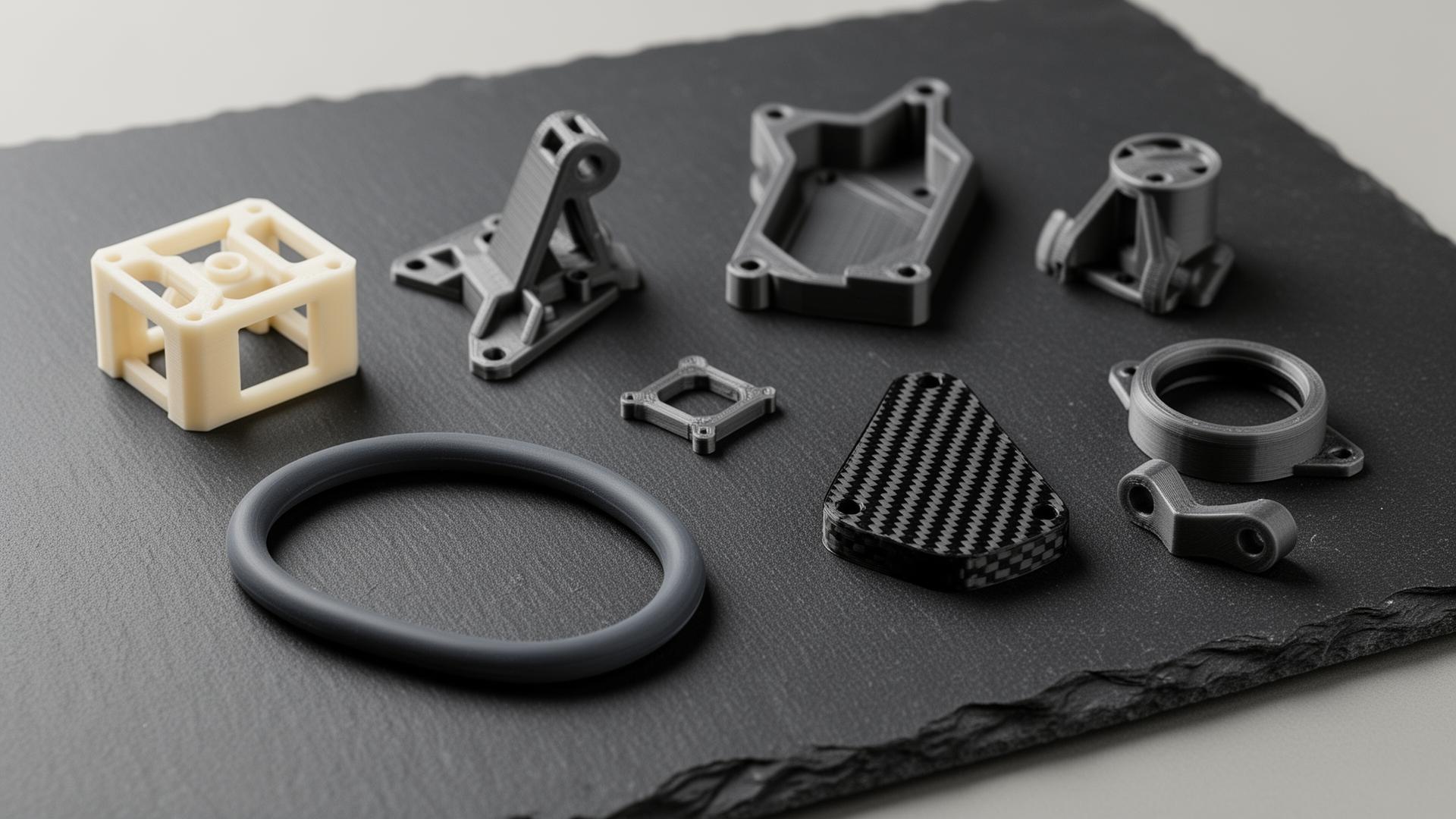 8 Min. LesezeitMaterialsEngineering
Materialauswahl im FDM-3D-Druck: Leitfaden für technische Bauteile
Das beste Material ist nicht das stärkste. Es ist jenes, das zur Umgebung, den mechanischen Anforderungen und dem Produktionsziel des Bauteils passt.
Weiterlesen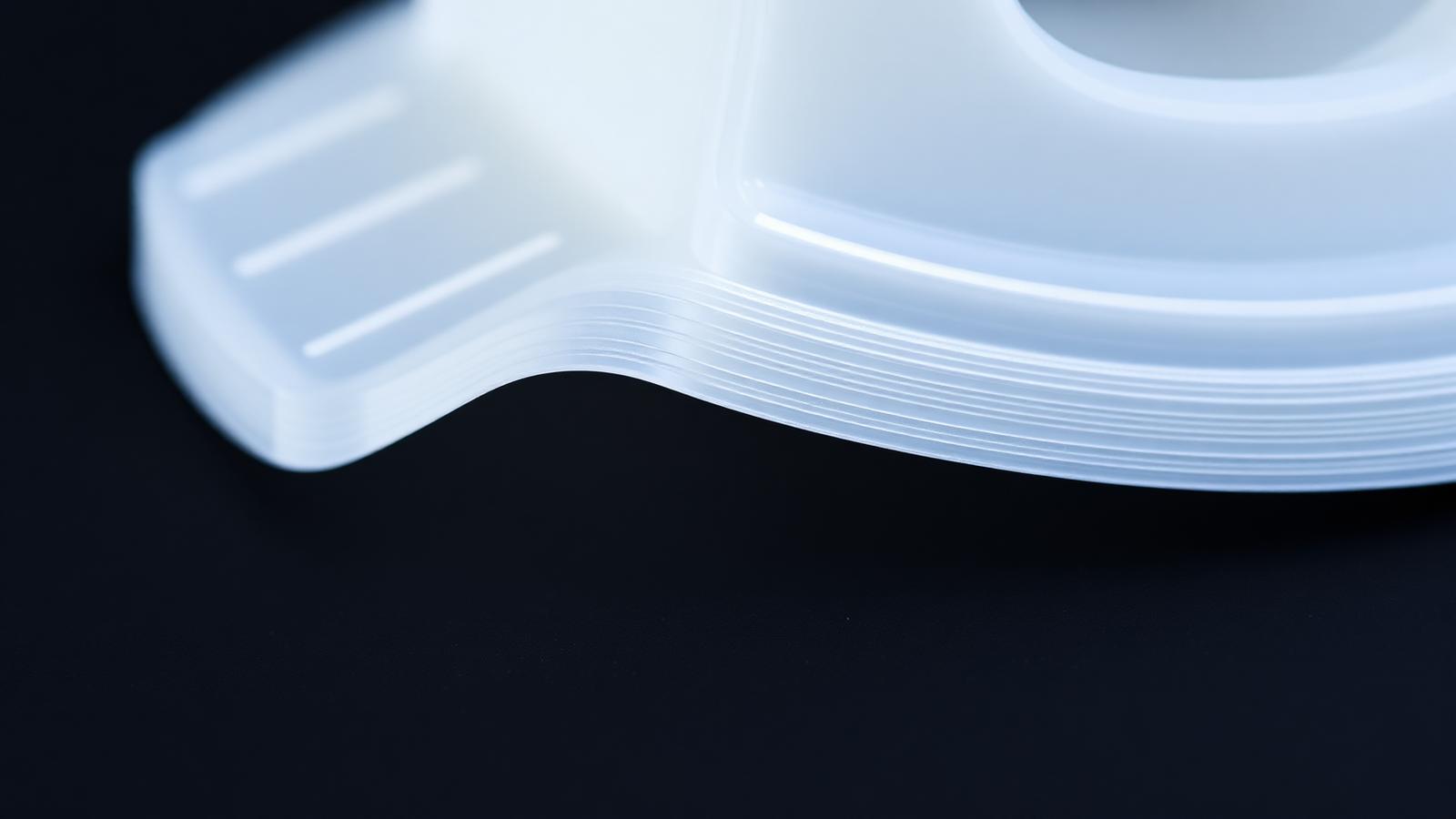 7 Min. LesezeitFDMDesign
Wanddicken-Richtlinien für FDM-Bauteile
Falsche Wanddicken führen zu schwachen Wänden und fehlgeschlagenen Bauteilen. So wählen Sie die richtige Wandstärke für Festigkeit, Geschwindigkeit und Zuverlässigkeit beim FDM-Druck.
Weiterlesen 8 Min. LesezeitMaterialsPC
PC vs. Nylon vs. Nylon-CF: Vergleich für FDM-Bauteile
Wer über PLA hinausgeht, steht vor der Wahl zwischen PC, Nylon und CF-Nylon. Jedes hat echte Abwägungen bei Festigkeit, Hitzebeständigkeit, Druckbarkeit und Kosten. Hier erfahren Sie, was Sie wählen sollten und warum.
Weiterlesen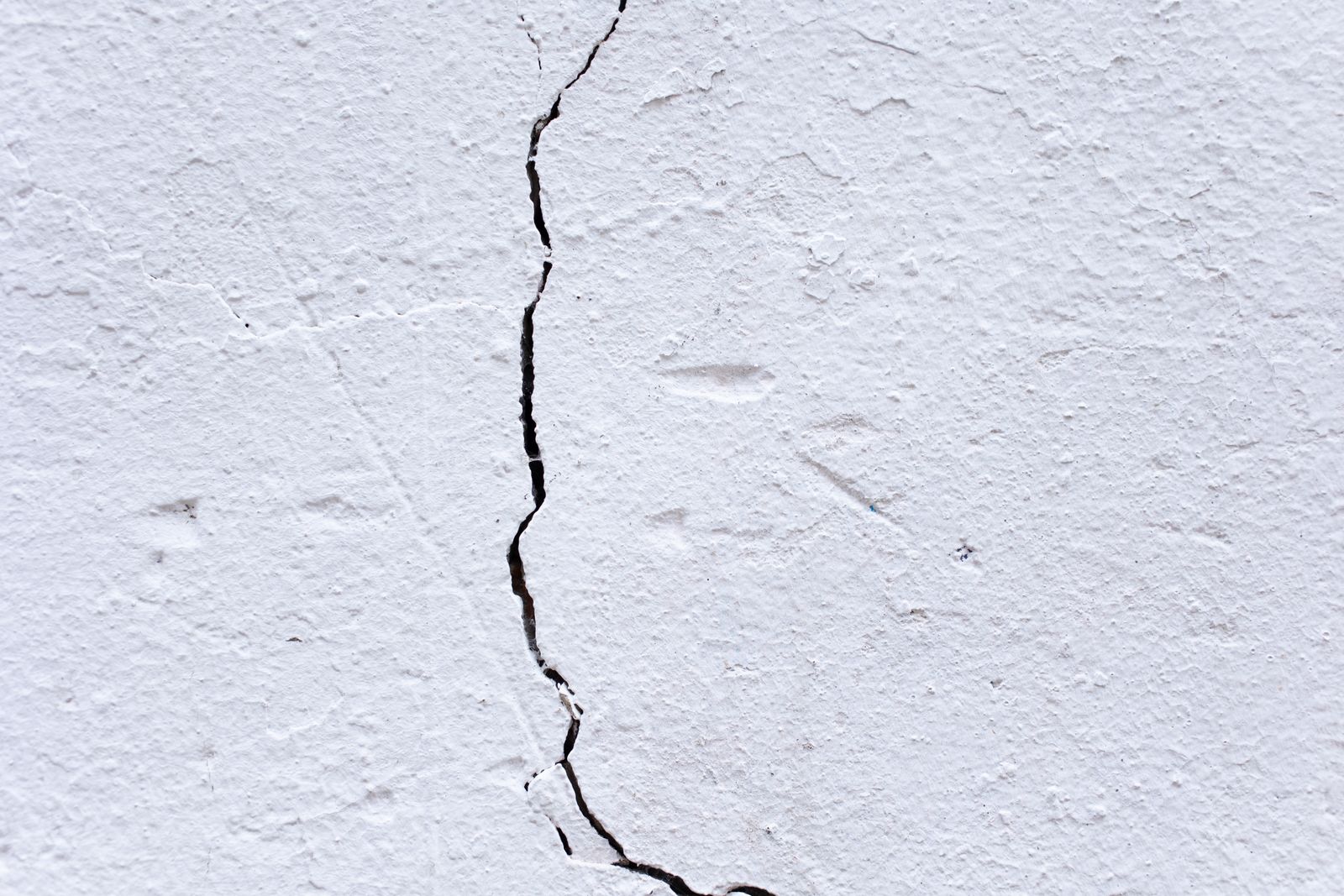 7 Min. LesezeitMaterialsUV Resistance
Sonne vs. Kunststoff: Wer gewinnt
Die meisten 3D-Drucke sehen frisch vom Drucker perfekt aus, bis der Sommer kommt. Warum UV-Licht Kunststoff zerstört und welches Filament im Freien wirklich übersteht.
Weiterlesen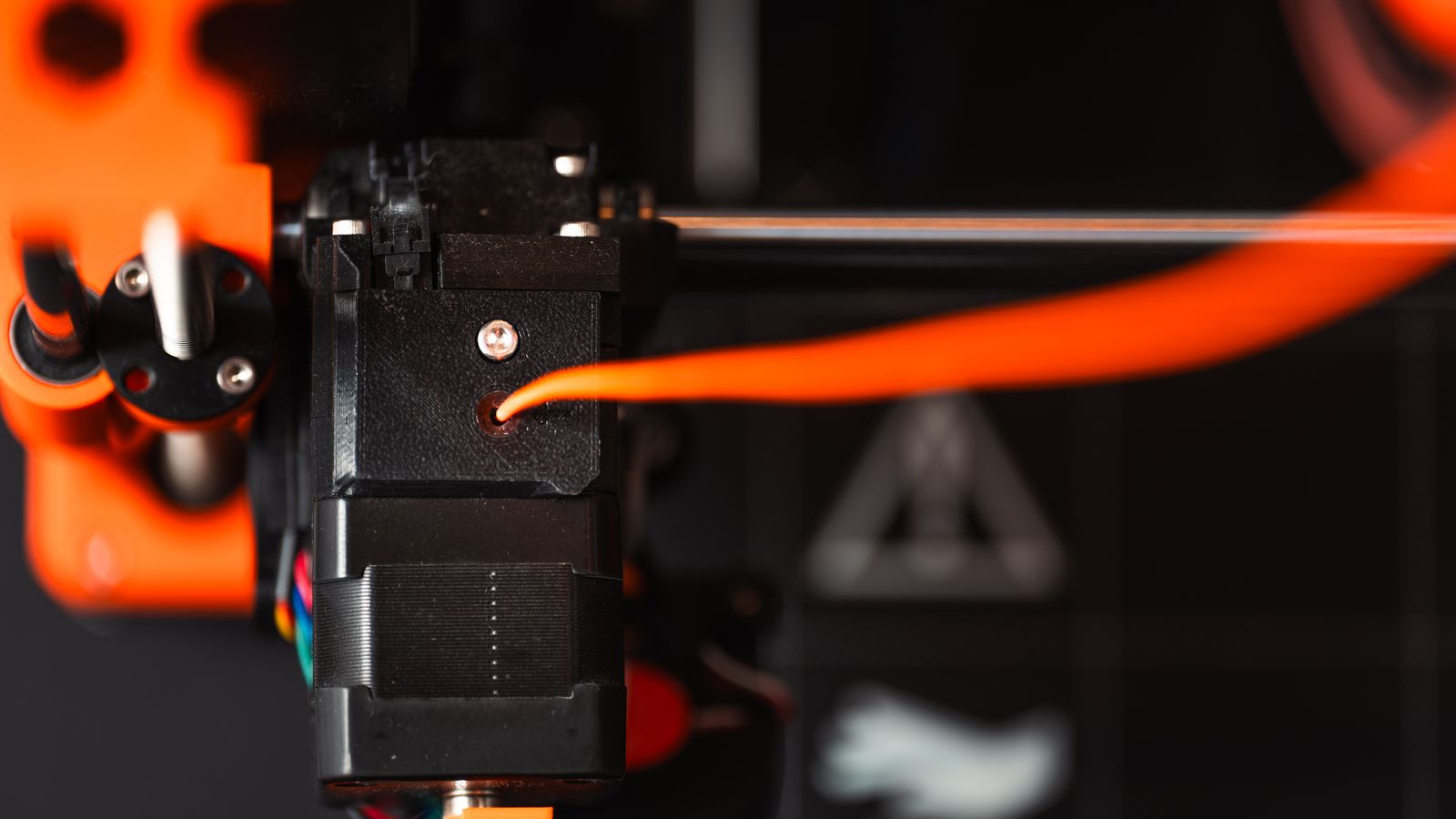 6 Min. LesezeitFDMProduction
Warum größere FDM-Aufträge scheitern (und wie man es vermeidet)
FDM verzeiht bei kleinen Stückzahlen, bestraft aber bei großen. Warum Skalierung bei FDM ein Prozessproblem ist und kein Druckerproblem.
Weiterlesen