
Kostentreiber im FDM-Druck: Bauteile günstiger konstruieren
Welche Faktoren bestimmen die Kosten eines FDM-Bauteils? Maschinenzeit, Ausrichtung, Stützmaterial, Werkstoff und konstruktive Möglichkeiten zur Optimierung.
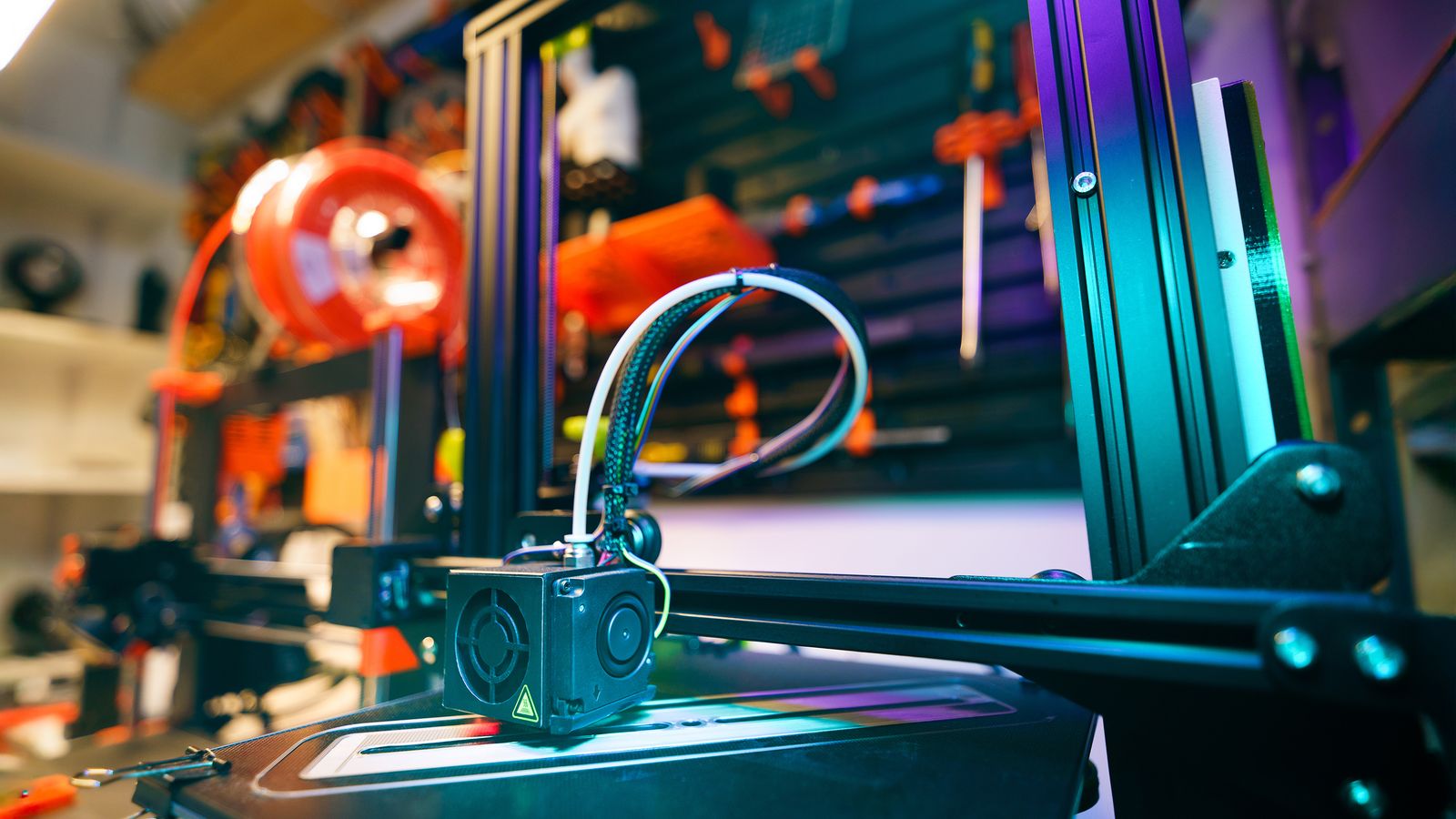
Wenn Sie bei einem 3D-Druck-Service ein Angebot anfragen, richtet sich der Preis nicht nach dem Gewicht des Kunststoffs, sondern danach, wie lange das Bauteil eine Maschine belegt.
Diese eine Tatsache erklärt die meisten Preisunterschiede zwischen Anbietern, Werkstoffen und Konstruktionen. Wer das versteht, kann Angebote sinnvoll vergleichen und Bauteile so gestalten, dass sie kostengünstiger zu fertigen sind. Eine Übersicht aller Preisfaktoren mit Preisrechner finden Sie auf unserer Seite zu den Kosten im 3D-Druck-Service.
Maschinenzeit ist der Hauptkostentreiber
Ein FDM-Drucker bewegt sich bei einem gegebenen Werkstoff und einer gegebenen Schichthöhe mit fester Geschwindigkeit. Je mehr Schichten ein Bauteil hat und je mehr Verfahrwege und Füllung der Werkzeugweg enthält, desto länger läuft die Maschine. Ein hohes Bauteil mit dünnen Wänden kann länger brauchen als ein niedriges, massives Bauteil, selbst wenn es weniger Material verbraucht.
Deshalb können zwei Bauteile mit demselben Gewicht sehr unterschiedliche Preise haben. Eine 30-Gramm-Halterung, flach gedruckt in 40 Minuten, kostet weniger als eine 30-Gramm-Halterung, die stehend in 3 Stunden gedruckt wird.
Was den Preis wirklich beeinflusst
- Druckhöhe: Jede zusätzliche Schicht kostet Zeit. Ein Bauteil bei 0,2 mm dauert rund doppelt so lange wie dasselbe Bauteil bei 0,3 mm.
- Füllungsgrad: 15 Prozent Füllung druckt schneller als 50 Prozent. Für die meisten tragenden Bauteile genügen 15 bis 25 Prozent.
- Wände und Perimeter: Mehr Umrandungen erhöhen die Steifigkeit, kosten aber auch Zeit. Zwei Perimeter sind Standard, drei bei belasteten Bauteilen.
- Stützstruktur: Stützen kosten Druckzeit und Nachbearbeitungszeit. Wer das Bauteil so ausrichtet, dass keine Stützen nötig sind, spart beides.
- Werkstoffwahl: Technische Werkstoffe wie PA12-CF und PC FR kosten mehr pro Kilogramm, aber bei den meisten Bauteilen ist das Material nur ein Bruchteil des Gesamtpreises.
- Menge: Das erste Bauteil trägt Einrichtung, Datenvorbereitung und Kalibrierung. Bei höheren Stückzahlen verteilt sich dieser Fixkostenanteil auf mehr Teile.
Wie Sie Bauteile kostengünstiger konstruieren
Das günstigste Bauteil ist das, das am schnellsten druckt. Die Ausrichtung ist der größte Hebel. Wenn Sie ein Bauteil flach statt stehend drucken können, reduzieren Sie Schichtzahl, Druckzeit und häufig auch die Stützstruktur gleichzeitig.
Nach der Ausrichtung ist die Füllung der nächste Hebel. Viele Bauteile werden standardmäßig mit 50 Prozent oder mehr Füllung konstruiert. Für eine funktionale Halterung oder ein Gehäuse reichen meist 15 bis 25 Prozent mit zwei Perimetern. Die Wände tragen den Großteil der Last, nicht die Füllung.
Die Schichthöhe ist der dritte Hebel. Ein Bauteil mit 0,3 mm Schichthöhe ist schneller fertig und kostet weniger als dasselbe Bauteil bei 0,15 mm. Der Kompromiss liegt in der Oberflächenqualität. Für innenliegende Halterungen und Vorrichtungen reicht 0,3 mm aus. Für sichtbare Flächen oder Passflächen sind 0,2 mm oder weniger besser.
Angebote verschiedener Dienstleister vergleichen
Wenn Sie Angebote vergleichen, fragen Sie nach dem Preis bei Ihrer tatsächlichen Stückzahl, nicht bei Stückzahl eins. Der Stückpreis bei 100 Teilen einer Kleinserie unterscheidet sich deutlich vom Stückpreis bei einem Teil. Fragen Sie außerdem, ob Stützenentfernung und einfache Nachbearbeitung enthalten sind, denn manche Dienstleister berechnen das extra.
Seien Sie vorsichtig bei Preisen, die deutlich unter dem Marktniveau liegen. Bei FDM gibt es kein Geheimrezept, um die Maschinenzeit zu verkürzen. Ein Preis, der 40 Prozent unter allen anderen liegt, bedeutet meist dünne Wände, wenig Füllung, keine Prüfung, oder einen Vermittler, der den Auftrag an den billigsten verfügbaren Drucker vergibt, nicht an den besten.
Wofür Sie eigentlich bezahlen
Ein guter 3D-Druck-Service verkauft nicht nur Maschinenstunden. Er verkauft Werkstoffberatung, Konstruktionsfeedback vor der Fertigung, Maßprüfung am fertigen Bauteil und gleichbleibende Qualität bei Wiederholaufträgen. Das kostet Engineering-Zeit, weshalb ein Dienstleister, der Ihr Design hinterfragt und eine bessere Ausrichtung vorschlägt, meist mehr wert ist als das billigste Angebot.
Wir fertigen FDM-Bauteile in Deutschland in über 20 technischen Werkstoffen, vom einzelnen Prototyp bis zur Wiederholserie. Laden Sie Ihre Datei hoch für Sofortpreis, Lieferzeit und Werkstoffempfehlung.