
Defektes Muster vermessen und nachkonstruieren: Ablauf für Ersatzteile
Wie ausgelaufene Maschinenteile mit FDM nachgefertigt werden: das defekte Muster vermessen, den Werkstoff nach Einsatzfall wählen, die Bruchstelle verstärken und ein digitales Ersatzteillager aufbauen.
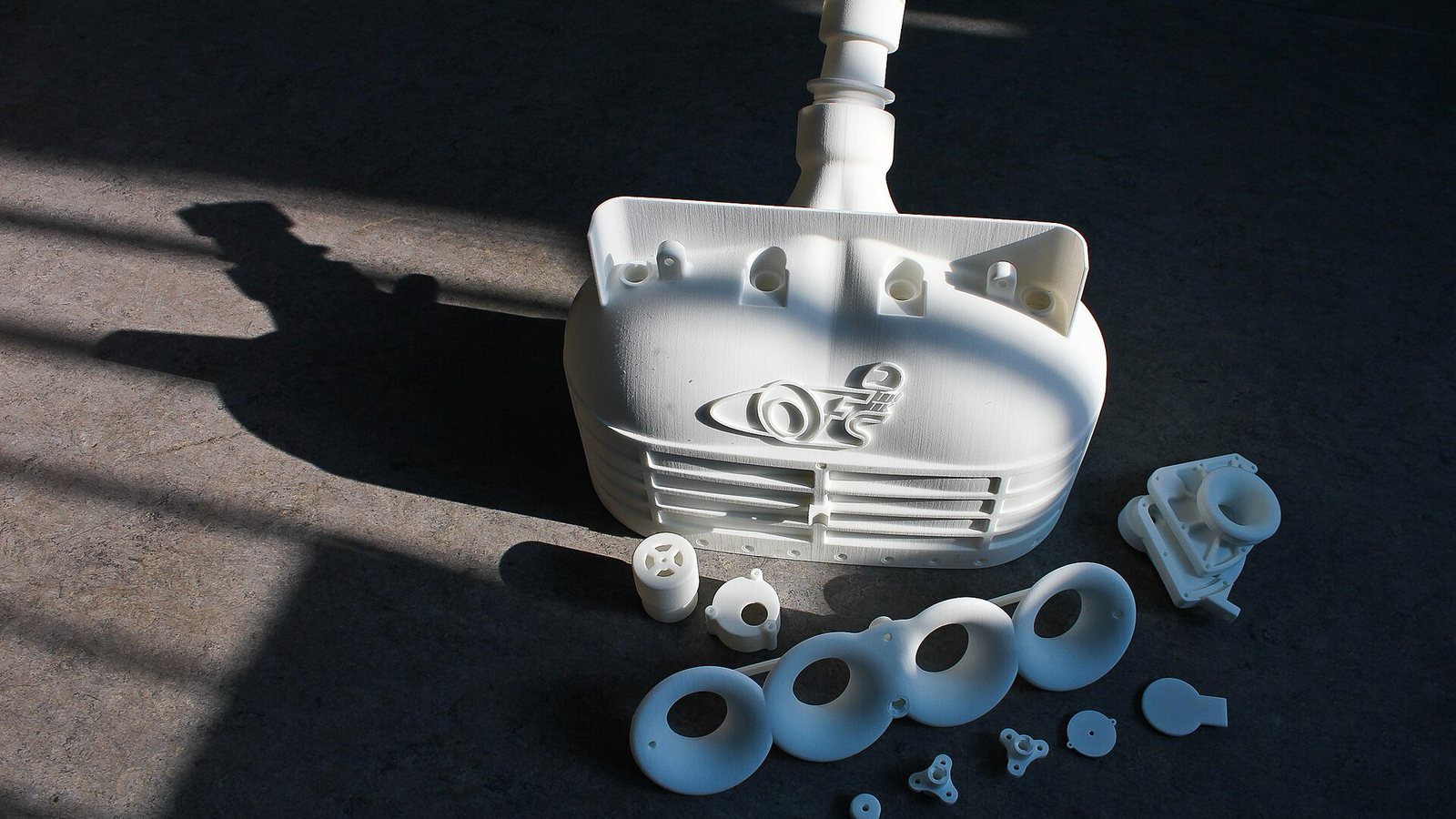
Ersatzteile sind der klarste Anwendungsfall für Kleinserien im 3D-Druck. Die Stückzahlen sind winzig, ein Werkzeug hat entweder nie existiert oder ist längst verschrottet, und die Kosten des Wartens liegen weit über den Kosten des Bauteils. Ein Halter für 40 Euro kann eine Anlage blockieren, die mehrere tausend Euro pro Tag erwirtschaftet.
Muss das Teil nicht nur kopiert, sondern neu ausgelegt werden, etwa für eine geänderte Einbausituation, übernehmen wir das als Produktdesign und Konstruktion.
Für den Start braucht es keine CAD-Daten
Die meisten Ersatzteilanfragen kommen als Fotos von etwas Kaputtem. Das reicht in der Regel. Was wir brauchen, sind die Funktionsmaße: Bohrungsdurchmesser, Achsabstände, Einbaubreite, die Tiefe von Aussparungen und die Passungen an Wellen oder Lagern. Optische Konturen lassen sich annähern, Funktionsmaße nicht. Ein Messschieber, ein Blatt mit den Maßen und Fotos von allen Seiten mit einem Maßstab im Bild genügen für die meisten Rekonstruktionen.
Die Funktion kopieren, nicht den Originalwerkstoff
Eine gespritzte ABS-Abdeckung muss nicht in ABS nachgefertigt werden. Entscheidend ist die Umgebung, in der das Bauteil steht. Unter Sonneneinstrahlung hält ASA deutlich länger durch als ABS. Neben einer Wärmequelle behält PC seine Form, wo PETG zu kriechen beginnt. In einem trockenlaufenden Getriebe schlagen PA12 oder PA12-CF fast alles, was der ursprüngliche Lieferant verwendet hat. Nennen Sie uns Temperatur, Belastung und Medienkontakt, der Werkstoff ergibt sich daraus.
Die Ursache des Bruchs beheben
Ein Bauteil, das einmal gebrochen ist, bricht wieder, wenn es exakt kopiert wird. Sehen Sie sich die Bruchfläche an, bevor irgendetwas nachgebaut wird. Ein glatter Bruch an einer scharfen Innenecke bedeutet fehlenden Radius. Ein Bruch am Schraubdom bedeutet einen fehlenden Einsatz oder zu hohes Anzugsmoment. Ein versprödetes, vergilbtes Teil hat UV-Strahlung abbekommen. Für jeden dieser Fälle gibt es eine naheliegende Lösung, die im Druckteil nichts kostet: Radius ergänzen, Einsatz vorsehen, Werkstoff wechseln.
- Großzügige Radien an Innenecken ergänzen, die häufigste Bruchstelle an gespritzten Originalen
- Das Bauteil so orientieren, dass die Hauptlast nicht senkrecht zu den Schichten wirkt
- Gedruckte Gewinde an allen Wartungsstellen durch Messingeinsätze ersetzen
- Die Wandstärke gezielt an der Bruchzone erhöhen statt überall
- Wenn ein Metalloriginal durch Ermüdung versagt hat, vor dem Angebot prüfen, ob Kunststoff überhaupt geeignet ist
Ein digitales Lager schlägt das Regal
Sobald ein Bauteil freigegeben ist, liegt der Wert nicht im Teil, sondern in der Datei und dem gesperrten Parametersatz. Wir hinterlegen beides, sodass die nächste Bestellung eine einzeilige E-Mail ist statt eines neuen Projekts. Für Instandhaltungsteams ersetzt das den Lagerbestand langsamdrehender Teile durch zwei Tage Lieferzeit ohne gebundenes Kapital.
Senden Sie Fotos des defekten Teils mit einem Maßstab im Bild und die Maße, die Sie messen können. Wir sagen Ihnen innerhalb eines Tages, ob es nachfertigbar ist und welcher Werkstoff zum Einsatzfall passt.