
3D-Druck oder CNC-Fräsen? Entscheidungshilfe pro Bauteil
3D-Druck oder CNC-Fräsen? Vergleichen Sie Toleranzen, Geometrie, Werkstoffe, Lieferzeit und Aufwand, um das passende Verfahren für Ihr Bauteil zu wählen.
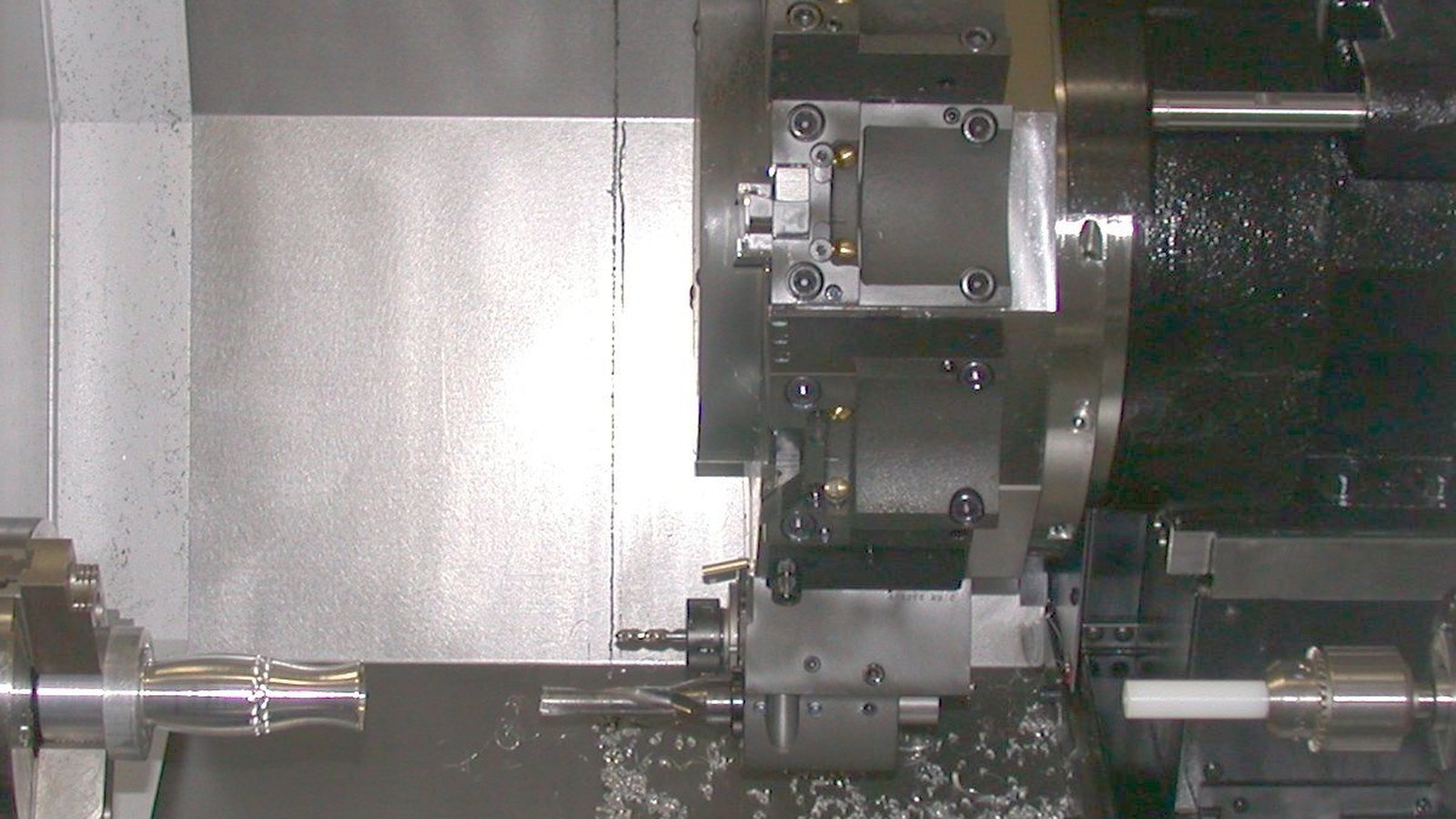
Konstrukteure fragen meist, welches Verfahren besser ist. Nützlicher ist die Frage, welche der drei Randbedingungen an Ihrem Bauteil am engsten ist: Geometrie, Toleranz oder Stückzahl. Sobald das klar ist, ergibt sich das Verfahren von selbst. Was ein FDM-Teil kostet und wovon der Preis abhängt, zeigt unsere Übersicht Was kostet 3D-Druck?.
Zuerst entscheidet die Geometrie
Beim Fräsen wird Material mit einem rotierenden Werkzeug abgetragen, jedes Merkmal braucht also Werkzeugzugang. Innenliegende Hohlräume, geschlossene Gitterstrukturen, konturnahe Kanäle und Hinterschnitte erzwingen mehrere Aufspannungen, eine geteilte Konstruktion oder sind schlicht nicht fräsbar. Dem FDM-Druck ist der Zugang egal, dafür sind Überhänge das Thema, weil sie Stützen brauchen und eine raüre Oberfläche hinterlassen. Ist Ihr Bauteil ein Gehäuse mit Innenrippen und einem geführten Kanal, ist der Druck meist der kürzere Weg. Ist es eine Platte mit Bohrbild und geschliffener Fläche, gewinnt das Fräsen.
An der Toleranz scheitern die Erwartungen
Gefräste Kunststoffteile halten ohne großen Aufwand etwa plus minus 0,05 mm. Gut beherrschter FDM-Druck erreicht bei kleineren Maßen etwa plus minus 0,2 mm, und die Abweichung wächst mit der Bauteillänge, weil der Werkstoff beim Abkühlen schwindet. Dieser Unterschied klingt entscheidend, betrifft aber selten das ganze Bauteil. Die meisten Komponenten haben zwei oder drei Merkmale, die eine Passung brauchen, und viele Flächen, an die keine Anforderung gestellt wird. Den Grundkörper zu drucken und nur die kritischen Merkmale zu reiben oder zu fräsen ist oft günstiger, als alles zu zerspanen.
Die Kostentreiber sind nicht vergleichbar
- Die Fräskosten hängen an Aufspannungen, Werkzeugwechseln und abgetragenem Volumen, ein voluminöses Bauteil mit wenigen Merkmalen ist also günstig und ein kleines Bauteil mit vielen Merkmalen teuer
- Die FDM-Kosten hängen an Druckzeit und Belegung der Bauplatte, ein voluminöses Bauteil ist also teuer und geometrische Komplexität nahezu kostenlos
- Beim Fräsen fallen Programmierung und Rüsten bei jeder Änderung erneut an, beim Druck nicht
- Ab etwa einigen hundert Teilen pro Jahr amortisiert sich das Rüsten beim Fräsen und der Abstand schließt sich
Lieferzeit und Iteration
Für einen einzelnen Änderungszyklus liefert der Druck meist in ein bis drei Tagen, das Fräsen je nach Auslastung in ein bis zwei Wochen. Solange eine Konstruktion noch in Bewegung ist, summiert sich dieser Unterschied: In der Zeit einer gefrästen Iteration passen oft drei gedruckte, und drei Iterationen ergeben ein besseres Bauteil als eine.
Die Kombination beider Verfahren ist normal, kein Kompromiss
Ein großer Teil der Bauteile, die unser Haus verlassen, hat nachbearbeitete Merkmale. Bohrungen werden auf Passung gerieben, Anlageflächen plan überarbeitet, Gewinde kommen aus Einsätzen oder werden nach dem Druck geschnitten. Planen Sie das von Anfang an ein: 0,3 bis 0,5 mm Aufmaß auf den Flächen vorsehen, die genau sein müssen, und den Rest gedruckt belassen. So bekommen Sie zerspante Genauigkeit dort, wo sie zählt, und Druckkosten überall sonst.
Wenn Sie unsicher sind, auf welche Seite Ihr Bauteil fällt, senden Sie die STEP-Datei und nennen Sie die zwei Maße, die stimmen müssen. Wir sagen offen, ob der Druck der sinnvolle Weg ist oder ob Ihnen die Zerspanung besser dient.