
Nachbearbeitung von FDM-Bauteilen: Vom Druckteil zum Sichtteil
Schleifen, grundieren, lackieren, einsetzen: Welche Nachbearbeitung gedruckte Bauteile sicht- und funktionstauglich macht und was sie kostet.
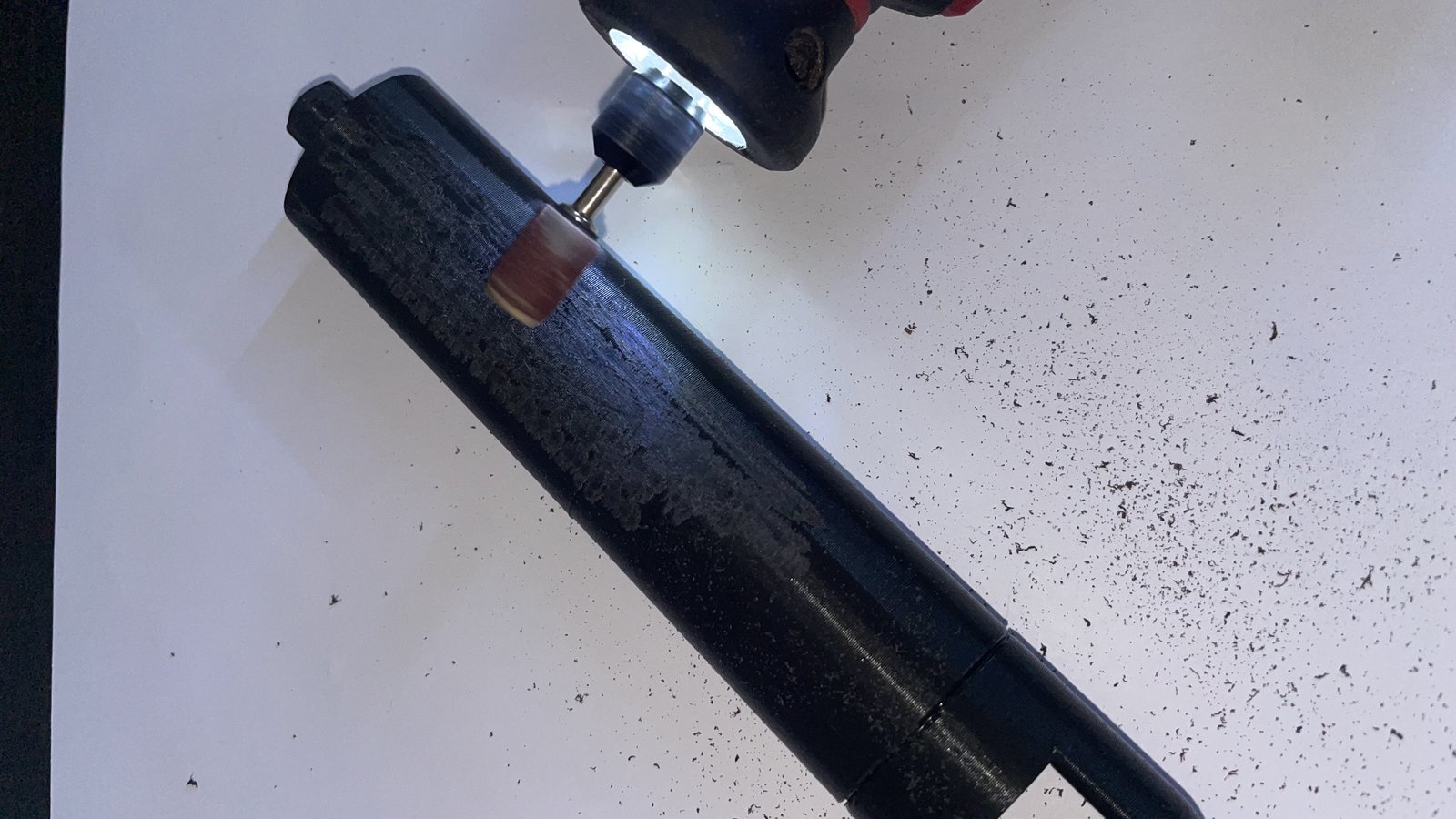
Die Schichtstruktur ist das Erkennungszeichen von FDM. In der Maschine stört sie niemanden, am Messestand oder im Sichtbereich eines Produkts schon. Nachbearbeitung ist der Weg dazwischen, und sie entscheidet oft darüber, ob ein gedrucktes Teil als vorläufig oder als fertig wahrgenommen wird.
Was ohne Aufwand schon geht
Ein sauber gedrucktes Teil aus mattem Werkstoff sieht für technische Anwendungen bereits gut aus. Matte Werkstoffe und dunklere Farben kaschieren Schichten deutlich besser als glänzendes Schwarz. Wer die Oberfläche nur entschärfen will, wählt die Ausrichtung so, dass Sichtflächen mit feinen Schichthöhen gedruckt werden.
Schleifen und Füllern
Der klassische Weg für Sichtteile ist Nassschliff in steigenden Körnungen, gefolgt von Füllgrund. Der Grund schließt die Schichtrinnen, ein zweiter Schliff ebnet die Fläche, und danach trägt der Lack. Bei ABS kommt das Glätten mit Lösungsmitteldampf dazu, das die Oberfläche chemisch verschließt. Das Verfahren ist schnell, verändert aber Maße und eignet sich nicht für Passflächen.
- Nassschliff von 240er bis 600er Körnung für lackierfertige Flächen.
- Füllgrund in zwei dünnen Schichten statt einer dicken.
- Passflächen und Bohrungen vor dem Schleifen abkleben oder nachträglich aufreiben.
- Bei kleinen Serien lohnt eine Schleiflehre, damit alle Teile gleich aussehen.
Lackieren und Beschichten
2K-Lacke halten auf vorbereiteten Kunststoffflächen gut und machen aus einem Druckteil ein Gehäuse, das sich von einem Spritzgussteil kaum unterscheidet. Für technische Teile ohne Sichtanspruch ist eine Pulverbeschichtung nicht sinnvoll, dafür aber eine einfache Grundierung gegen UV und Feuchte, etwa bei ABS im Außenbereich.
Funktionale Nacharbeit
Neben der Optik gibt es die Nacharbeit, die ein Bauteil erst funktionsfähig macht: eingepresste Gewindeeinsätze für wiederholte Montage, aufgeriebene Passbohrungen für Wellen, eingeklebte Magnete oder eingesetzte Lagerbuchsen. Diese Arbeiten sind bei uns Teil des Angebots und sollten schon in der Konstruktion eingeplant werden, weil sie Freiräume und Zugänge brauchen.
Nachbearbeitung ist Handarbeit und wird nach Aufwand berechnet. Ein geschliffenes und lackiertes Sichtteil kann das Doppelte des reinen Druckpreises kosten, bleibt aber weit unter einem lackierten Prototypen aus dem Fräser. Nennen Sie uns im Angebot, welche Flächen sichtbar sind, dann kalkulieren wir nur dort Aufwand, wo er wirkt.