
ASA oder ABS? Was die beiden wirklich unterscheidet
ASA und ABS sehen im Datenblatt fast identisch aus. Der Unterschied zeigt sich erst nach Monaten UV-Einwirkung, in der Schlagzähigkeit und in der Prozesssicherheit. Eine Sicht aus der Fertigungspraxis.
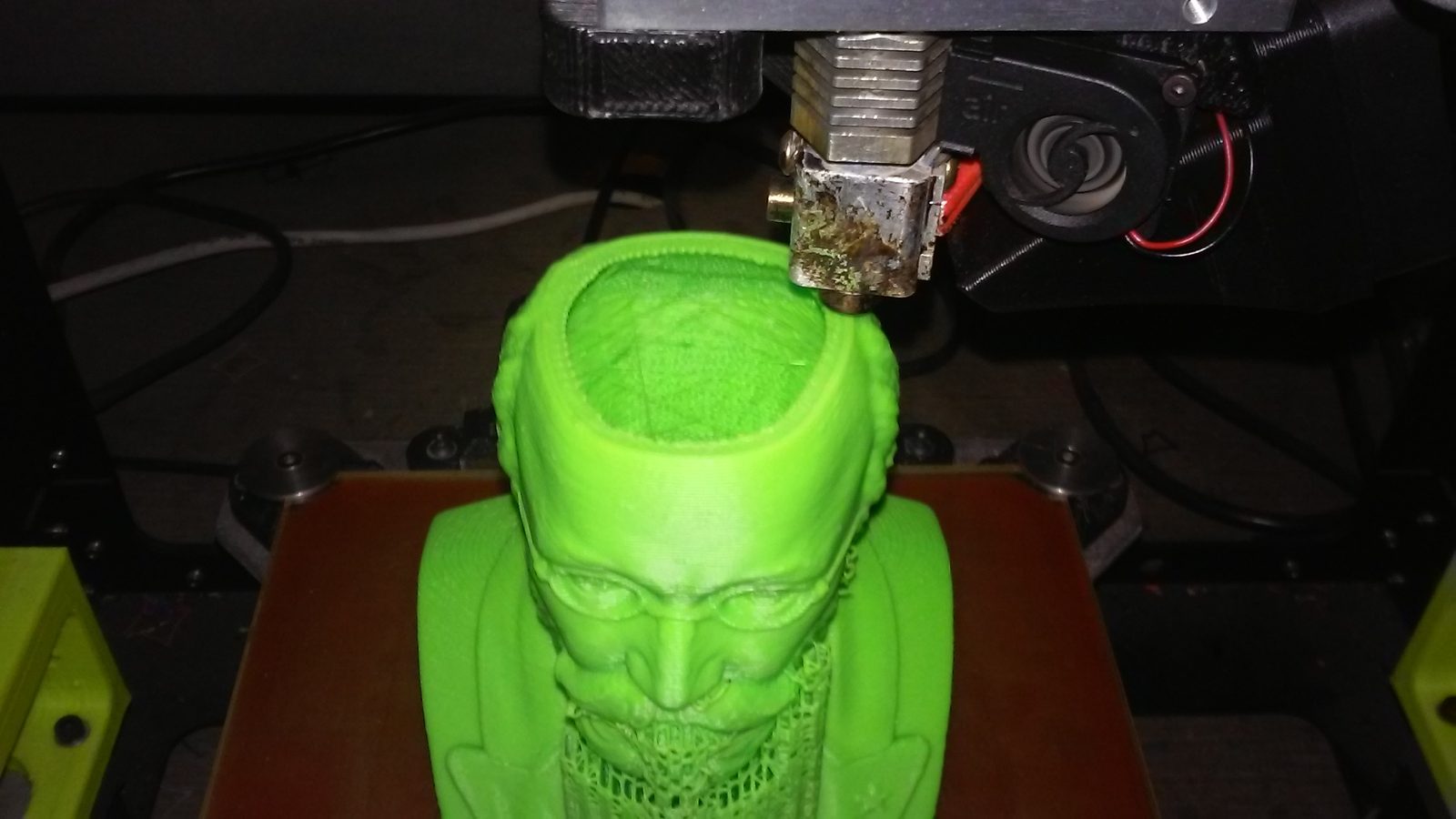
ASA ist chemisch nah an ABS: Die Styrol-Butadien-Phase wird durch einen Acrylat-Kautschuk ersetzt. Auf dem Papier liegen beide in derselben Temperaturklasse, etwa 95 bis 100 °C, mit ähnlicher Steifigkeit und ähnlicher Nachbearbeitbarkeit. Deshalb wirkt die Entscheidung beliebig, bis das Bauteil ins Freie kommt.
UV ist der eigentliche Knackpunkt
Die Butadien-Phase in ABS enthält Doppelbindungen, die UV-Licht angreift. In der Praxis heißt das: Ein ABS-Bauteil im Freien vergilbt innerhalb weniger Monate, die Oberfläche kreidet aus, und die Schlagzähigkeit sinkt lange bevor optisch etwas defekt aussieht. ASA hat keine Butadien-Phase und behält Farbe und Zähigkeit über Jahre der Bewitterung hinweg. Jedes ABS-Bauteil, das bei einem unserer Kunden im Feld ausgefallen ist, ist auf diesem Weg ausgefallen, nicht durch mechanische Überlastung.
Druckverhalten
Beide Werkstoffe schwinden, beide neigen zu Verzug, beide brauchen eine beheizte Kammer und stabile Umgebungsbedingungen. Nach unserer Erfahrung ist ASA bei der Schichthaftung etwas gutmütiger und beim Verzug großer flacher Bauteile etwas anspruchsvoller. Keiner der beiden Werkstoffe eignet sich für einen offenen Drucker im kalten Raum, was einen großen Teil der Fehldrucke im Hobbybereich gegenüber der Fertigung mit geschlossenen Maschinen erklärt.
Kosten und Verfügbarkeit
ASA-Filament kostet je Kilogramm meist etwas mehr als ABS und ist in weniger Farben verfügbar. Bei einem einzelnen kleinen Halter ist dieser Unterschied gegenüber Rüstaufwand und Nachbearbeitung vernachlässigbar. Bei einer Serie von einigen hundert Gehäusen lohnt sich die Rechnung, und das ist der einzige Fall, in dem wir für ein Außenbauteil mit kurzer geplanter Lebensdauer ABS vorschlagen würden.
Entscheidungsregel
- Bauteil ist Tageslicht oder Witterung ausgesetzt: ASA, ohne Diskussion
- Innenteil, Wärme bis etwa 95 °C, kostensensible Serie: ABS
- Flammschutz gefordert: keines von beiden, PC FR mit UL94-Einstufung
- Chemikalienbeständigkeit gegen Kraftstoffe und Öle gefordert: keines von beiden, PA12
- Bleibt unter 70 °C und kommt nie nach draußen: PETG ist günstiger und einfacher
Wir drucken beide Werkstoffe auf geschlossenen Maschinen und sagen Ihnen, welchen Ihr Bauteil braucht, auch wenn die günstigere Variante ausreicht.