
Ist PETG lebensmittelecht? Was bei 3D-Druck-Teilen zählt
PETG als Werkstoff ist für Lebensmittelkontakt etabliert, ein FDM-Bauteil aber nicht automatisch lebensmittelecht. Worauf es bei Filament, Druck und Oberfläche ankommt.
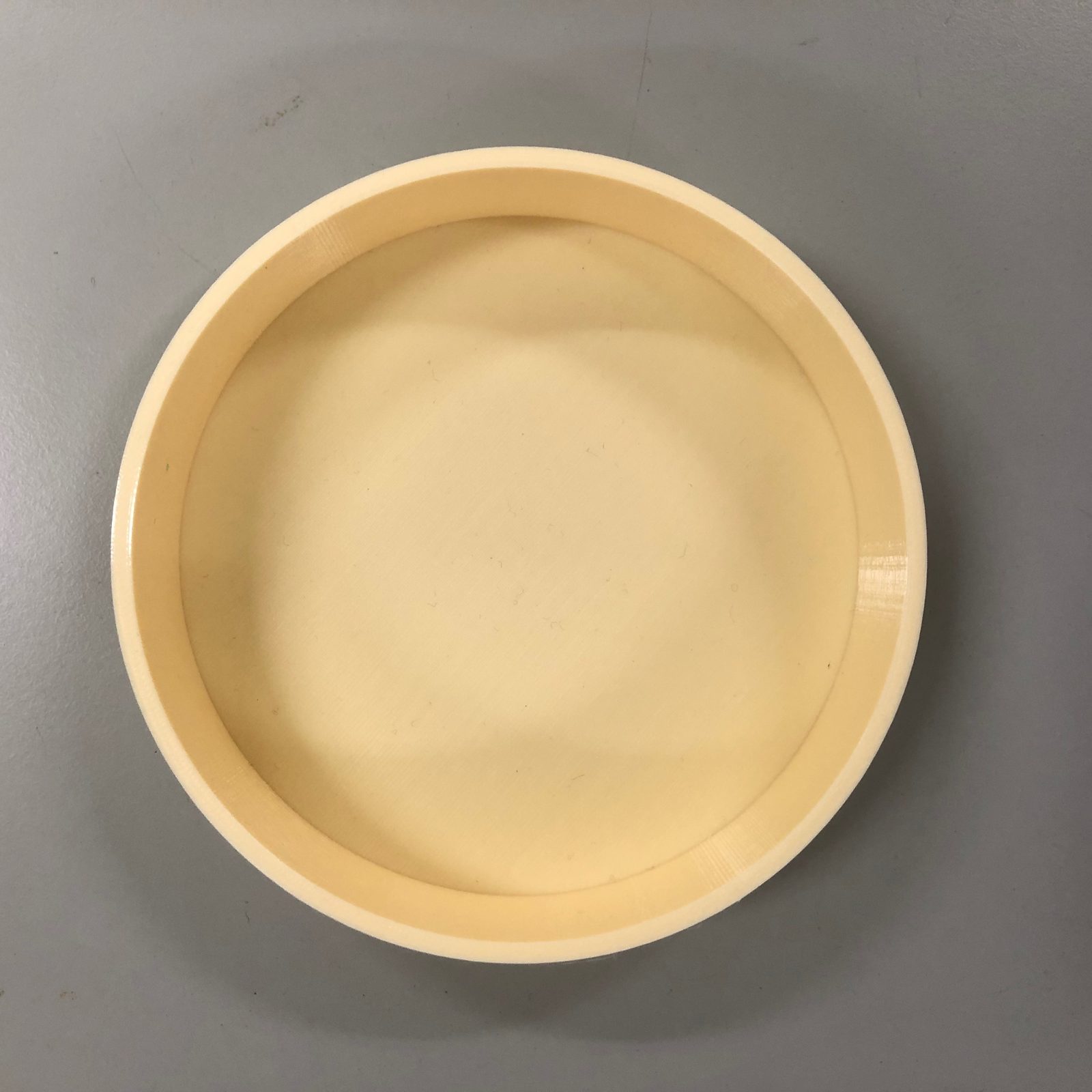
PET und PETG stecken in Getränkeflaschen und Lebensmittelverpackungen, der Werkstoff selbst ist für Lebensmittelkontakt also gut etabliert. Daraus wird gerne „PETG ist lebensmittelecht“, was für ein 3D-gedrucktes Bauteil nur halb stimmt.
Die Eignung für Lebensmittelkontakt ist eine Eigenschaft des fertigen Erzeugnisses, nicht des Rohpolymers. Zwischen Polymer und Bauteil liegen drei Dinge: die Filament-Rezeptur, der Druckprozess und die Oberfläche des gedruckten Bauteils.
Das Filament ist nicht nur PETG
Handelsübliches Filament enthält Farbpigmente, Verarbeitungshilfsmittel und teils Schlagzähmodifikatoren. Ein Pigment, das in einem Anschauungsmodell unproblematisch ist, ist nicht automatisch für Lebensmittelkontakt zugelassen. Verwenden Sie ausschließlich Filament, für das der Hersteller die Konformität mit der EU-Verordnung 10/2011 oder der entsprechenden FDA-Referenz erklärt, und zwar genau für die gedruckte Farbe.
Der Drucker verunreinigt das Bauteil
Die meisten Hotends haben Düsen aus Messing, und Messing kann Blei enthalten. Auf den meisten Maschinen wurden vorher andere Werkstoffe verarbeitet, Rückstände bleiben in der Schmelzzone zurück. Wenn Lebensmittelkontakt eine echte Anforderung ist, braucht das Bauteil eine dedizierte Düse aus Edelstahl oder gehärtetem Stahl sowie einen gespülten, dokumentierten Aufbau.
Schichtlinien halten Bakterien fest
Das ist das Risiko, das am meisten unterschätzt wird. Eine FDM-Oberfläche hat mikroskopische Täler zwischen den Schichten und zwischen den Extrusionsbahnen. Diese Rillen halten Lebensmittelreste fest, werden beim Spülen nicht richtig erreicht und bieten Bakterien beste Wachstumsbedingungen. Selbst ein vollständig konformer Werkstoff versagt hier, wenn das Bauteil mehrfach mit feuchten Lebensmitteln genutzt wird.
Die Spülmaschine löst das ebenfalls nicht. PETG erweicht deutlich unterhalb der üblichen Spülmaschinentemperatur, das Bauteil verformt sich also, bevor es keimfrei ist.
Wo gedruckte PETG-Bauteile sinnvoll sind
- Trockener, kurzer Kontakt: Trichter, Schaufeln für Schüttgut, Ausstechformen, Formen mit einmaliger Nutzung und sofortiger Reinigung.
- Indirekter Kontakt: Schutzabdeckungen, Halter und Vorrichtungen, die Verpackung berühren statt Lebensmittel.
- Einmal genutzte Produktionshilfsmittel in Lebensmittelbetrieben, die nach der Charge entsorgt werden.
Wo sie es nicht sind
- Mehrfach genutzte Gegenstände mit feuchten oder fettigen Lebensmitteln: Schneidflächen, Schüsseln, Trinkgefäße.
- Alles Heiße: PETG verformt sich oberhalb von etwa 70 Grad, und heiße Flüssigkeiten erhöhen die Migration.
- Alles, was sterilisiert oder mit einem validierten Reinigungsverfahren gereinigt werden muss.
- Regulierte Anlagentechnik in der Lebensmittelproduktion, wo ein zertifiziertes Spritzguss- oder Frästeil die richtige Antwort ist.
Wege, das Risiko zu senken
Der Druck mit größerer Düse und dickeren Extrusionsbahnen erzeugt weniger und besser verschmolzene Rillen. Höhere Drucktemperaturen verbessern die Schichtverschmelzung und verringern das Hohlraumvolumen nahe der Oberfläche. Ein lebensmittelgeeignetes Epoxidharz oder eine für Lebensmittelkontakt zugelassene Polyurethanbeschichtung kann die Oberfläche versiegeln, dann bestimmt allerdings die Beschichtung die Konformität, nicht das PETG.
Der sauberste Weg für ein wiederkehrendes Lebensmittelkontakt-Bauteil ist, das Werkzeug zu drucken statt das Bauteil selbst: FDM für Form, Vorrichtung oder Umformwerkzeug nutzen und den eigentlichen Lebensmittelkontakt-Artikel in einem Verfahren fertigen, das eine glatte, zertifizierbare Oberfläche liefert.
Wenn Sie an einer Anwendung im Lebensmittelbereich arbeiten, sagen Sie uns, was das Bauteil berührt, wie lange und bei welcher Temperatur. Wir sagen Ihnen klar, ob FDM dafür das richtige Verfahren ist.