
PETG oder PLA: Welcher Werkstoff passt zu Ihrem Bauteil?
PETG oder PLA? Der praktische Vergleich für Wärme, Belastung, Außeneinsatz und Maßhaltigkeit hilft bei der Werkstoffwahl für funktionale FDM-Bauteile.
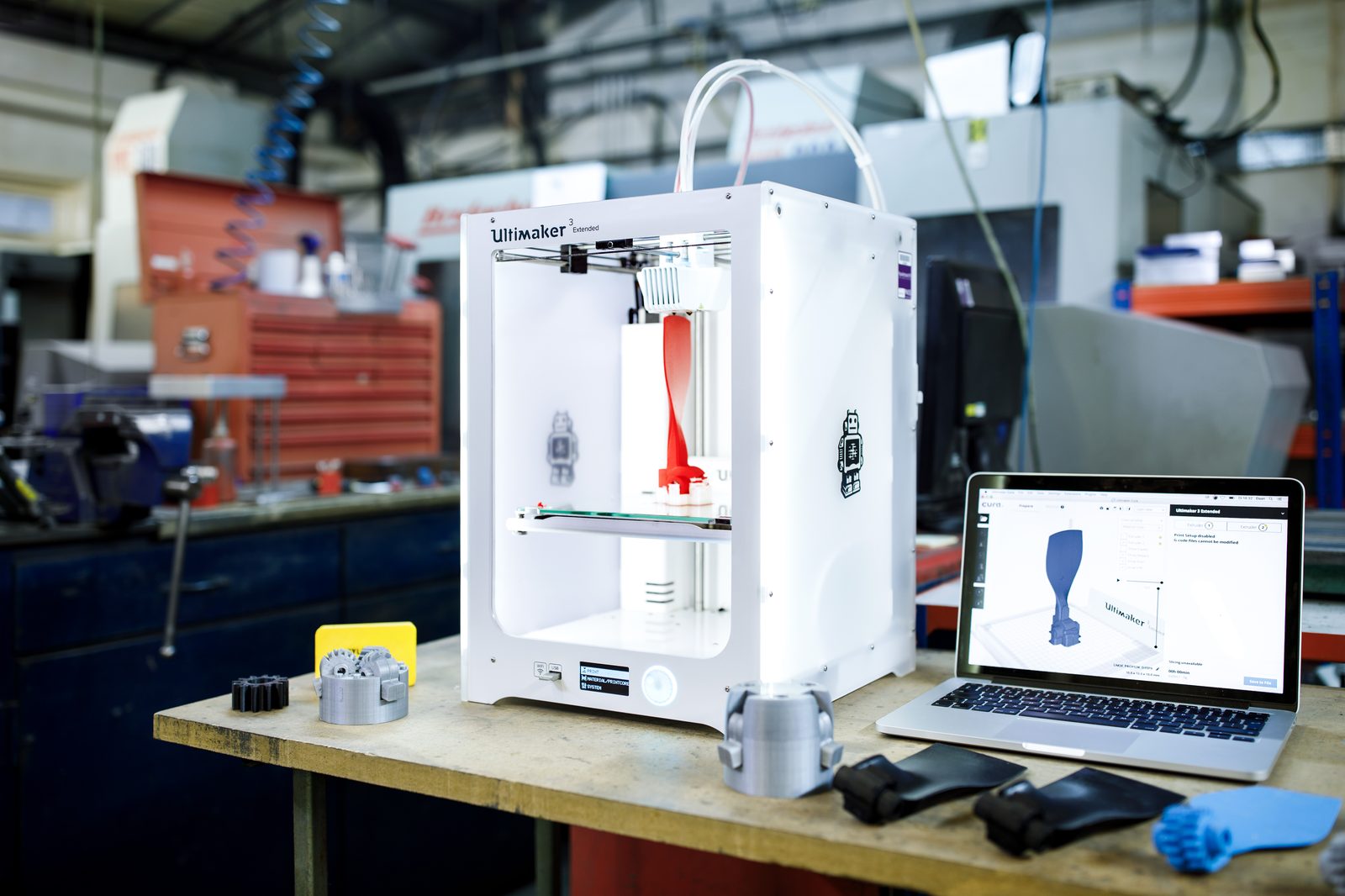
PLA und PETG sind die beiden Werkstoffe, mit denen die meisten Bauteile starten. Sie laufen auf denselben Maschinen, kosten etwa gleich viel und wirken im Datenblatt ähnlich. Im Einsatz verhalten sie sich jedoch sehr unterschiedlich.
Die übliche Frage lautet, welcher Werkstoff stabiler ist. Das ist die falsche Frage. Die bessere Frage lautet, welcher Versagensfall bei Ihrem Bauteil zuerst eintritt: Wärme, Schlag, Dauerlast oder UV.
Was ist steifer, was ist zäher
PLA hat von beiden Werkstoffen die höhere Zugfestigkeit und die höhere Steifigkeit. Eine PLA-Halterung verformt sich unter statischer Last weniger als dieselbe Halterung aus PETG. Deshalb sehen PLA-Prüfstäbe auf dem Papier meist besser aus.
PLA ist zugleich spröde. Es versagt plötzlich, ohne Vorwarnung, und meist entlang der Schichtlinien. PETG ist zäher: Es biegt sich, nimmt Schlagenergie auf und verformt sich in der Regel, bevor es bricht. Bei einem Bauteil, das herunterfällt, geklemmt oder in der Werkstatt gehandhabt wird, zählt dieser Unterschied mehr als der Zugfestigkeitswert.
Wärme ist in den meisten Fällen der entscheidende Faktor
PLA erweicht bei etwa 55 bis 60 °C. Das liegt unter der Temperatur in einem im Sommer geparkten Auto, unter der Oberflächentemperatur eines dunklen Bauteils in direkter Sonne und unter der Lufttemperatur neben vielen Motoren und Netzteilen.
PETG bleibt bis etwa 70 bis 75 °C einsatzfähig. Auch das ist kein Hochtemperatur-Werkstoff, aber die zusätzlichen 15 Grad decken einen großen Teil realer Innenraum- und leichter Industrieanwendungen ab.
Muss das Bauteil mehr als 75 °C aushalten, ist keiner der beiden Werkstoffe die richtige Wahl. Dann gehören ABS, ASA, PC oder PA in die engere Auswahl.
Außeneinsatz und UV
PLA im Freien ist nur eine kurzfristige Lösung. Es nimmt Feuchtigkeit auf, wird unter UV-Einstrahlung spröde und kriecht bei Wärme unter Last. PETG hält Feuchtigkeit und normalem Wetter besser stand, ist über Jahre hinweg aber ebenfalls nicht UV-stabil.
Für dauerhafte Außenbauteile ist ASA die richtige Wahl. Es wurde genau für diesen Einsatz entwickelt und behält Farbe und Schlagzähigkeit deutlich länger als PETG.
Kriechen: das Versagen, mit dem niemand rechnet
Beide Werkstoffe kriechen, das heißt sie verformen sich unter konstanter Last langsam, auch deutlich unterhalb der Streckgrenze. PLA kriecht stärker und mit steigender Temperatur noch schneller. Eine PLA-Klemme, die am ersten Tag noch hält, kann nach zwei Wochen unter derselben Last sichtbar verformt sein.
Trägt Ihr Bauteil eine Dauerlast, gilt PLA als ungeeignet und PETG als Minimum. Für alles Tragende und Dauerhafte greifen Sie zu PA12, PA6-CF oder PC.
Druck und Maßhaltigkeit
PLA ist der einfacher zu druckende Werkstoff. Es verzieht sich kaum, hält enge Toleranzen ein und liefert saubere Oberflächendetails. PETG schwindet etwas stärker, reagiert empfindlicher auf Feuchtigkeit im Filament und neigt zu Fadenbildung, wenn das Material nicht richtig getrocknet wird.
In der Fertigung ist dieser Unterschied beherrschbar. Wir trocknen PETG vor jedem Lauf und passen die Rückzugswerte je Spule an. Bei Bauteilen mit Presspassungen oder feinen Gewinden trifft PLA das Nennmaß etwas zuverlässiger.
Schichthaftung und dichte Bauteile
PETG hat eine deutlich bessere Schichthaftung als PLA. Ein PETG-Bauteil verhält sich näher isotrop, spaltet also seltener entlang einer Schichtlinie auf, wenn es in Z-Richtung belastet wird. Für Bauteile, die Flüssigkeit halten sollen, ist es ebenfalls die bessere Wahl, weil die Schichten vollständiger verschmelzen.
Die Entscheidungsregeln, die wir anwenden
- Anschauungsmodell, Passungsprüfung, einmalig genutzte Vorrichtung: PLA. Günstig, schnell und maßhaltig.
- Funktionsbauteil im Innenbereich unter 60 °C, das angefasst wird: PETG.
- Bauteil, das herunterfällt, geklemmt wird oder Schläge abbekommt: PETG.
- Bauteil im Auto, in Elektroniknähe oder in direkter Sommersonne: kein PLA. Mindestens PETG, bei Dauereinsatz ABS oder ASA.
- Bauteil, das länger als eine Saison der Witterung ausgesetzt ist: ASA.
- Bauteil unter dauerhafter mechanischer Last: PA12, PA6-CF oder PC, nicht PLA oder PETG.
- Bauteil mit Kontakt zu Wasser oder milden Chemikalien: PETG.
In unserer eigenen Fertigung landen die meisten Funktionsaufträge bei PETG und die meisten Anschauungs- oder Erstiterationsaufträge bei PLA. Bauteile, die im Feld versagen, sind fast immer daran gescheitert, dass PLA dort eingesetzt wurde, wo Wärme oder Kriechen im Spiel war.
Wenn Sie unsicher sind, senden Sie uns das Bauteil mit einer kurzen Angabe zu Last, Temperatur und Umgebung. Wir sagen Ihnen, welcher der beiden Werkstoffe ausreicht und wann sich der Wechsel in die nächste Klasse lohnt.