
Blog
Notes from the production floor
Practical insight into FDM 3D printing, engineering materials and scalable manufacturing.
 8 min readFDMInjection Molding
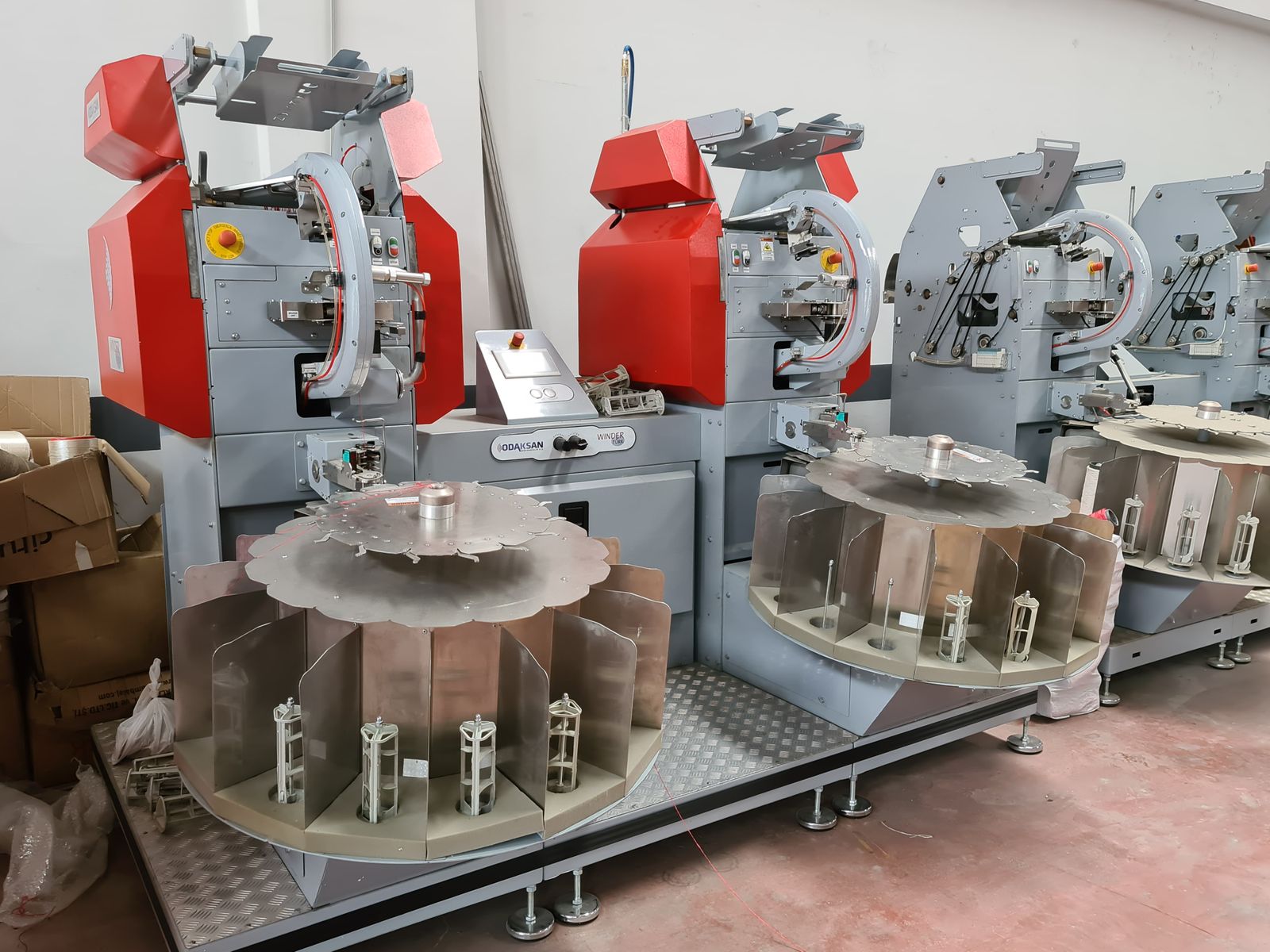
3D Printing vs Injection Molding: Which One Should You Choose?
Injection molding wins at scale. 3D printing wins everywhere else. A practical comparison of the two processes and how to pick the right one.
Read article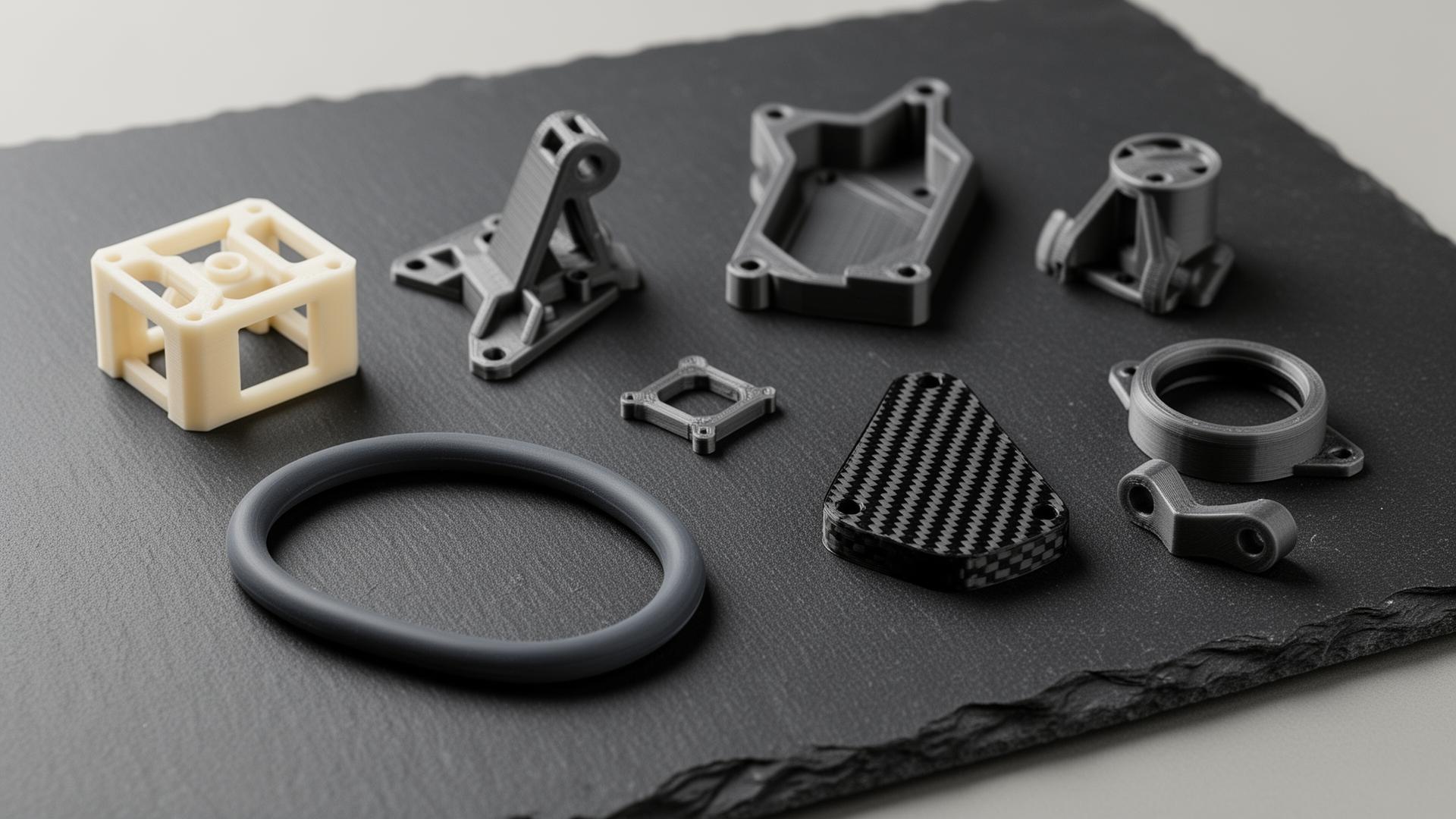 8 min readMaterialsEngineering
Engineering Material Selection Guide for FDM 3D Printing
The best material is not the strongest one. It is the one that matches the environment, the mechanical requirements and the production goals of the part.
Read article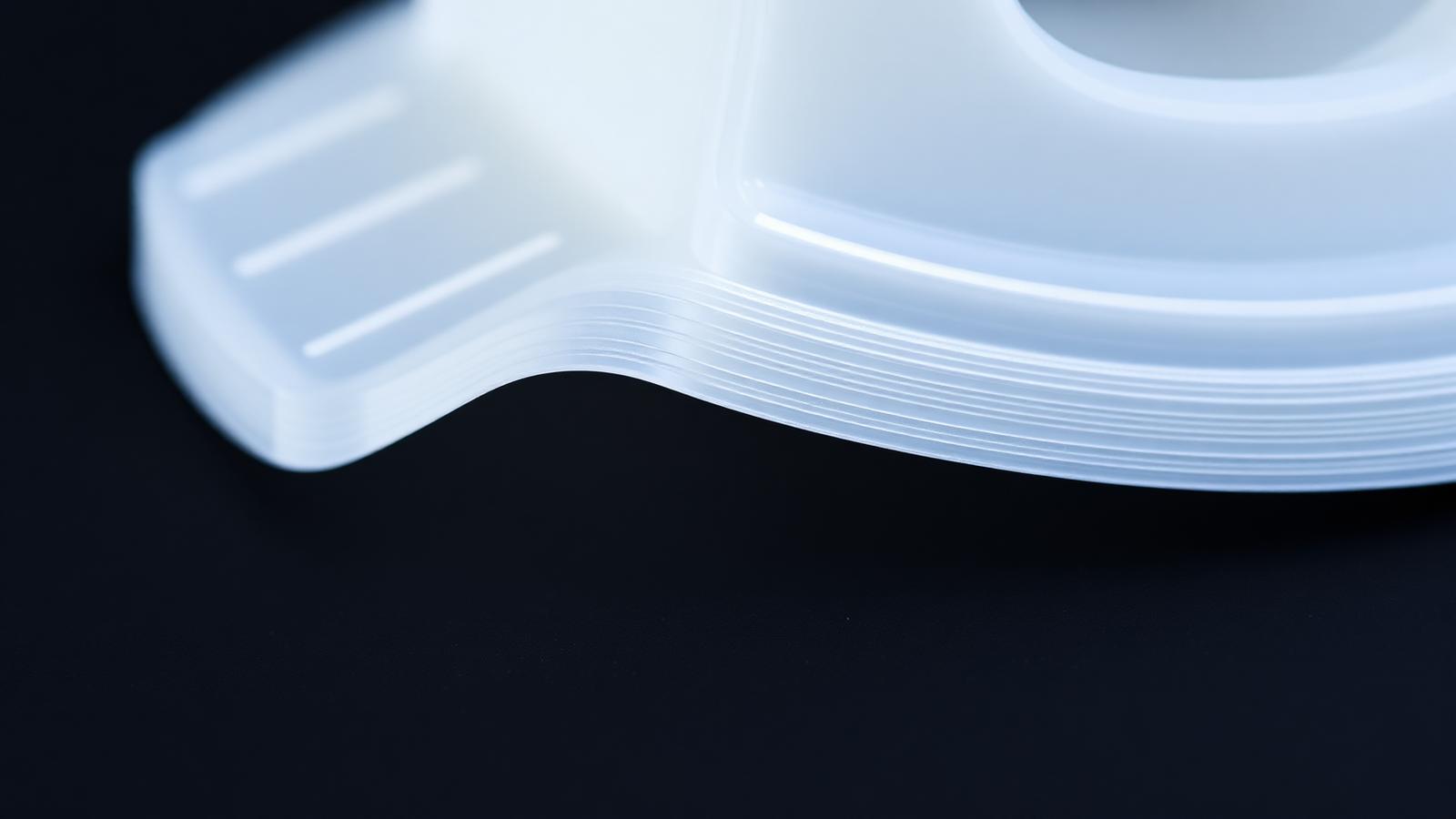 7 min readFDMDesign
Wall Thickness Guidelines for FDM Parts
Getting wall thickness wrong leads to weak walls and failed parts. Here is how to choose the right shell thickness for strength, speed, and reliability in FDM printing.
Read article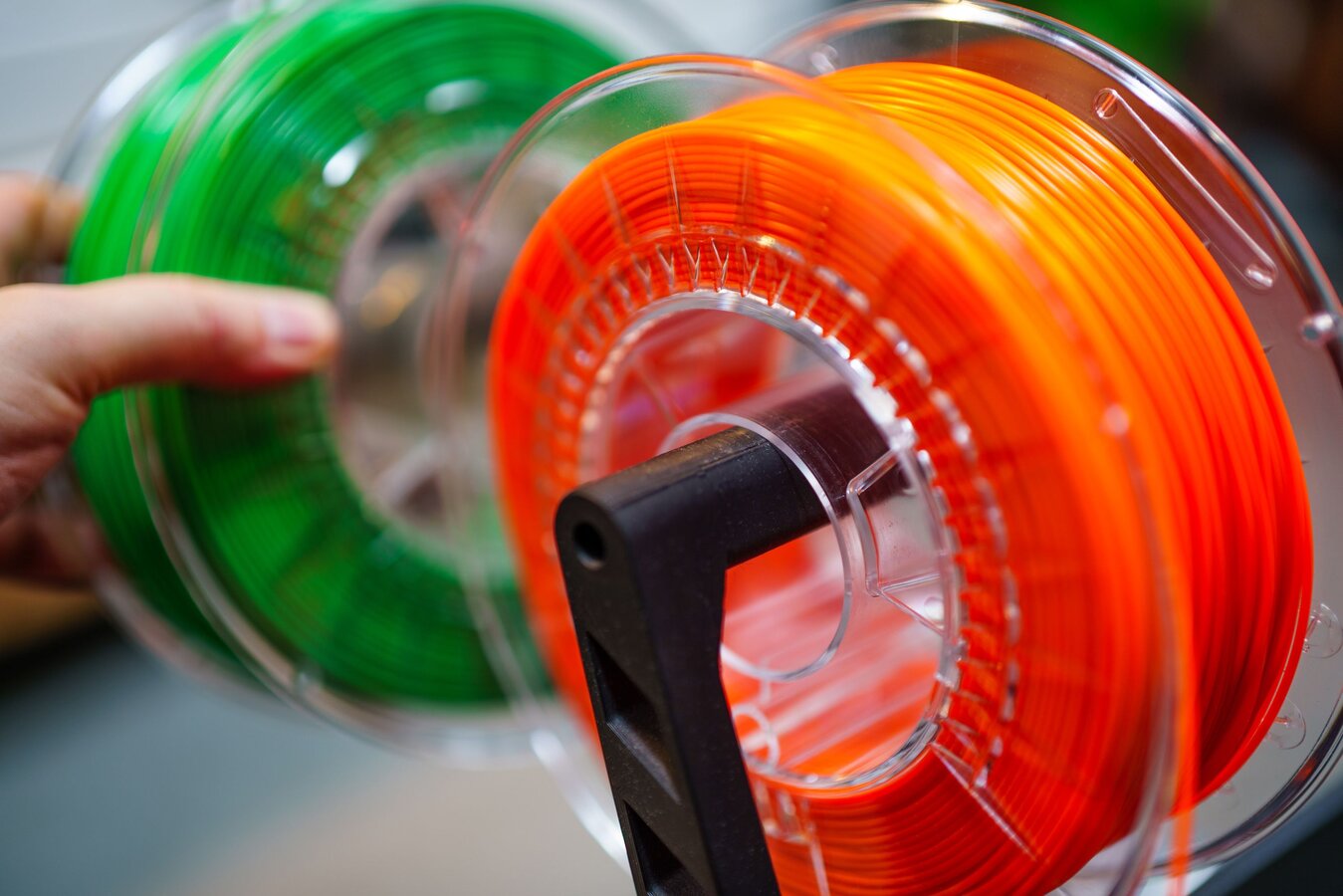 8 min readMaterialsPC
PC vs Nylon vs Nylon CF: Which Filament Should You Actually Use?
Moving beyond PLA means choosing between PC, Nylon and CF-Nylon. Each has real trade-offs in strength, heat resistance, printability and cost. Here is what to pick and why.
Read article 7 min readMaterialsUV Resistance
Sun vs. Plastic: Which One Wins
Most 3D prints look perfect off the printer - until summer hits. Why UV light destroys plastic and which filament actually survives outdoors.
Read article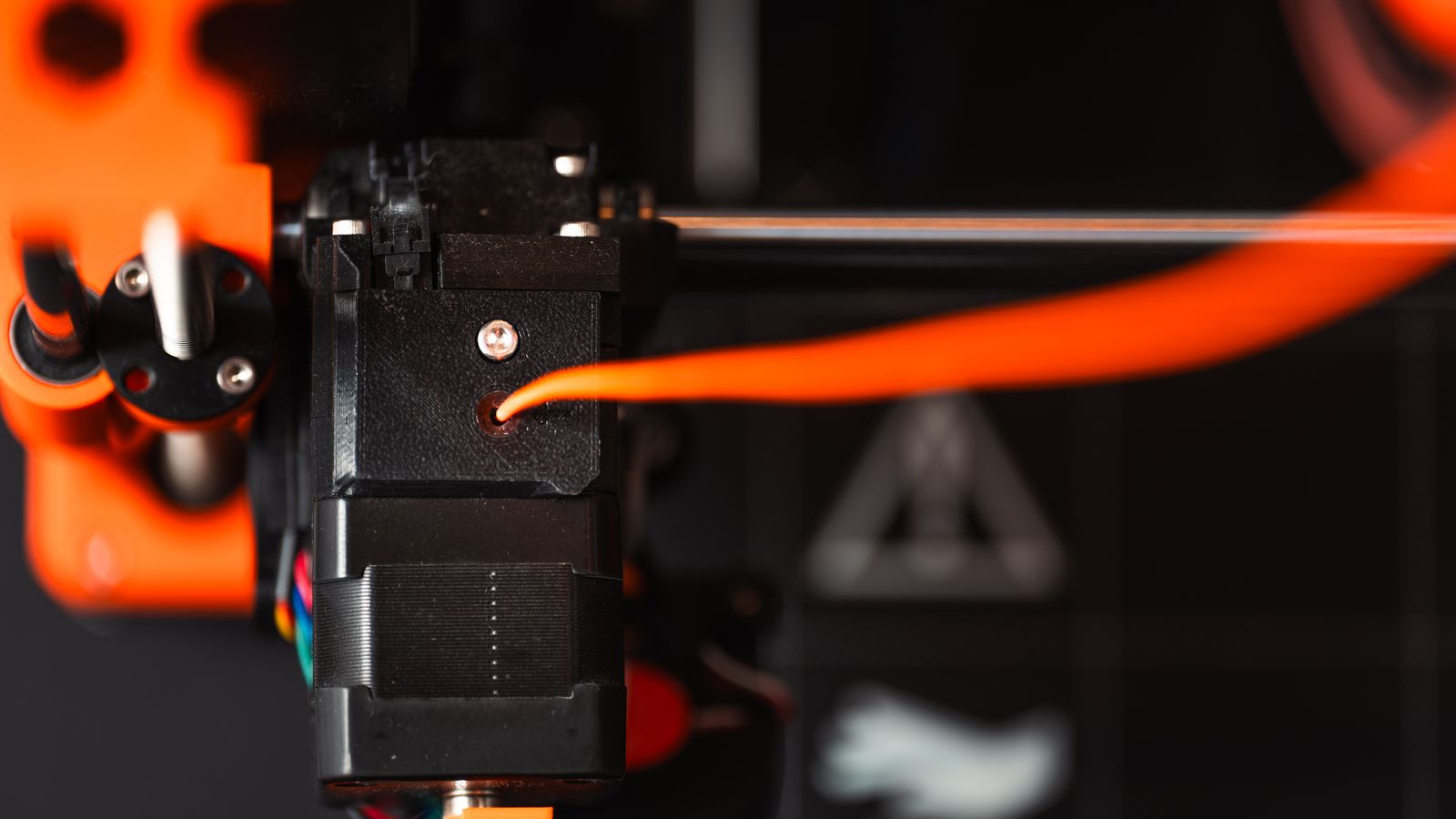 6 min readFDMProduction
Why Larger FDM Orders Fail (And How to Avoid It)
FDM forgives at low volumes and punishes at high ones. Why scaling FDM is a process problem, not a printer problem.
Read article